Check the stated environment
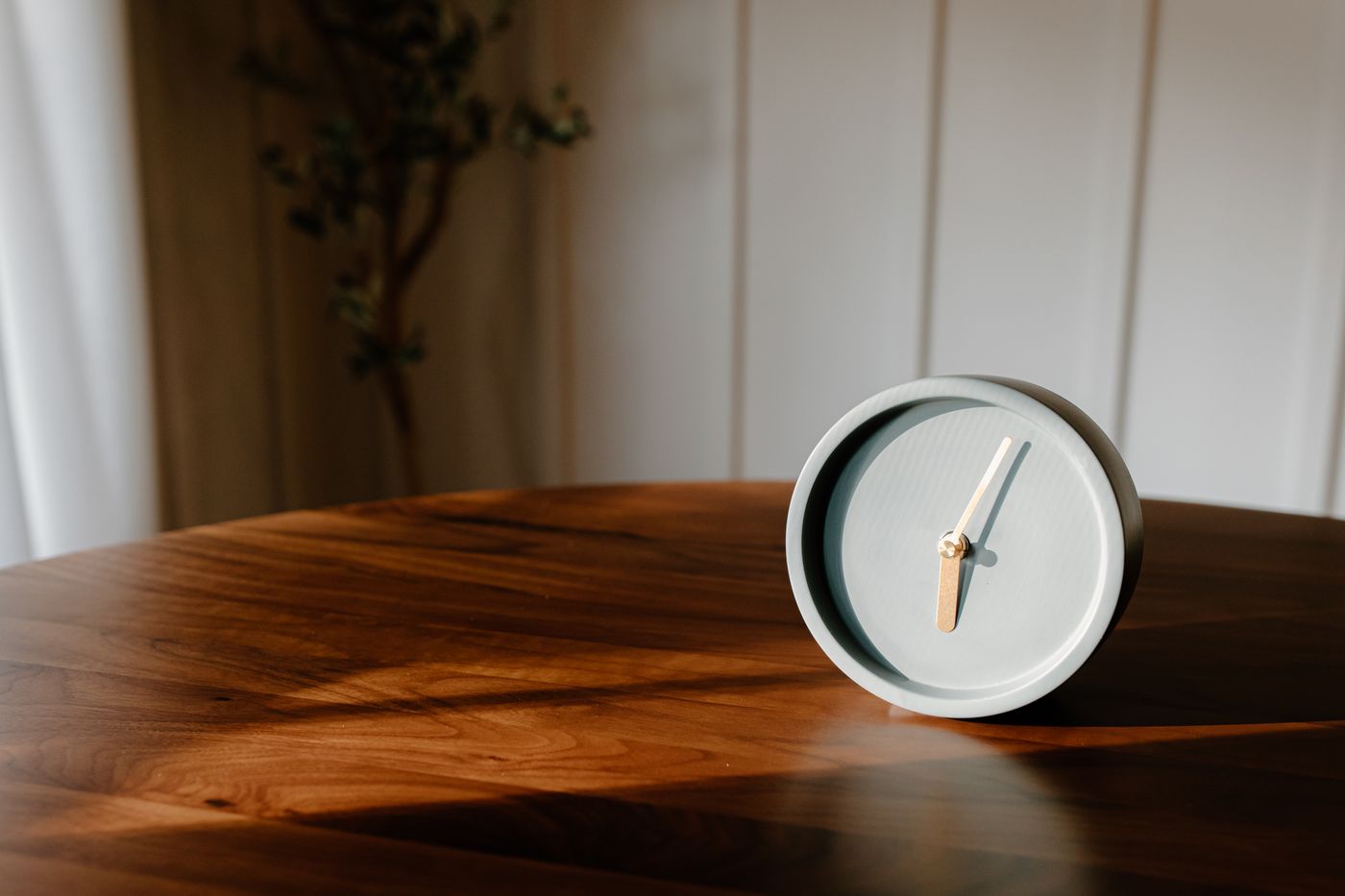
A product photograph beside a basin does not establish that a clock is suitable for bathroom use. Read the maker's description and operating conditions, including any limits on humidity, condensation or direct water exposure. If a protection rating is listed, check what the manufacturer says it permits for that model rather than assuming it covers every bathroom situation. A clock described only as an indoor decorative item may have no relevant protection. When the specification is unclear, ask before buying instead of testing the claim with water.
Find a position away from splashes
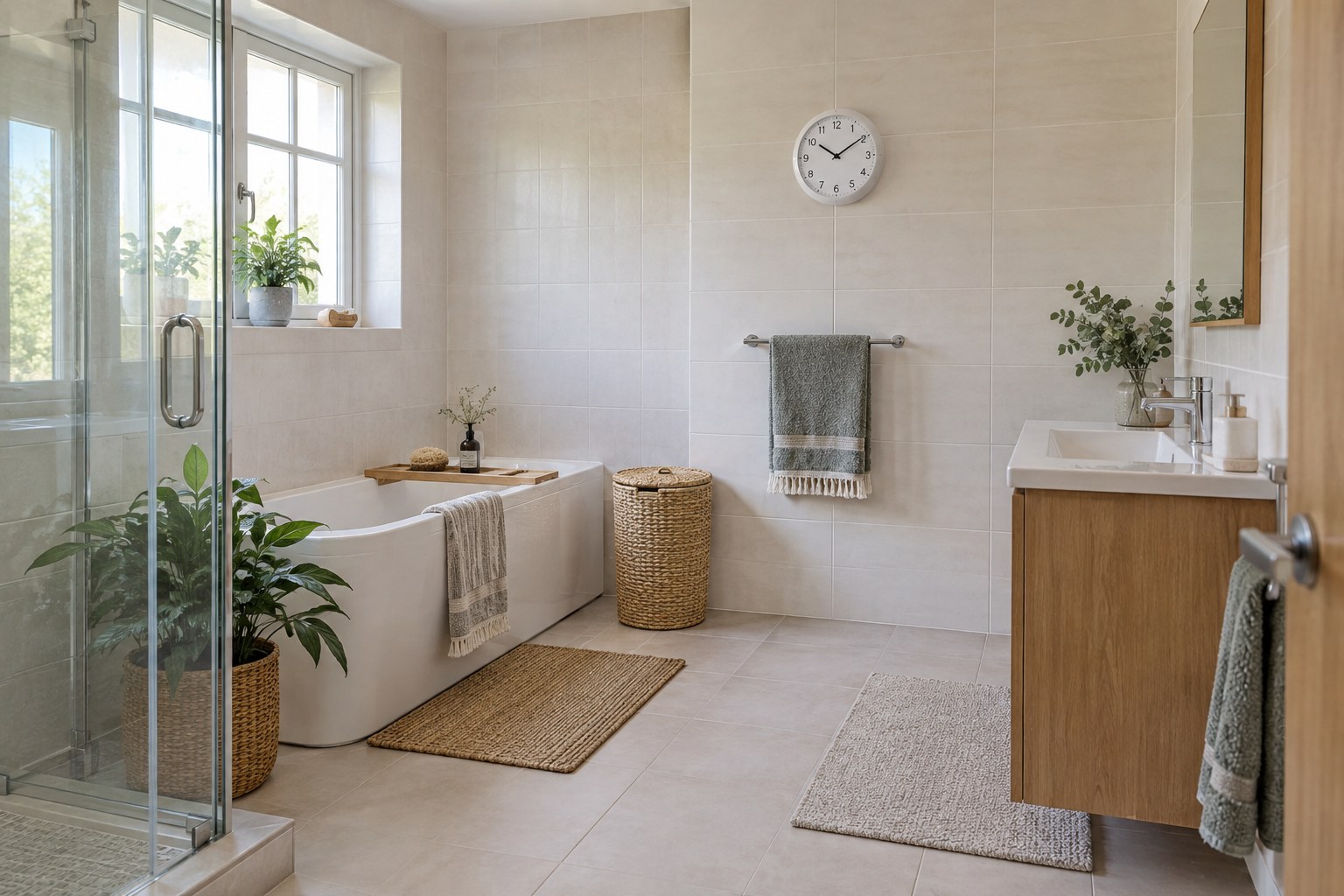
Think about the room when it is being used, not just when it is dry. Water can reach a shelf from a shower, a wet towel or hands at the basin. Steam may also condense on a cold surface. Choose a stable, permitted location with adequate distance from these sources and follow the installation instructions. A suction attachment needs particular attention to its approved surface and load; do not assume it will remain secure indefinitely. Avoid placing a clock where a fall could send it into the bath or strike someone below.
Keep the arrangement simple
A battery-powered design avoids needing a trailing power lead, but batteries alone do not make a clock waterproof. Ensure the compartment closes correctly and any seals are intact according to the manual. Take the clock to a dry, safe place for maintenance. If moisture appears inside the cover or the display behaves oddly after condensation, stop using it and seek the manufacturer's advice. Do not open sealed parts or use heat to dry the mechanism. Choose a model whose permitted location matches your room rather than relying on careful placement to compensate for an unsuitable specification.