Choose a clock
Shape, sound and a dial you can read.
23 guides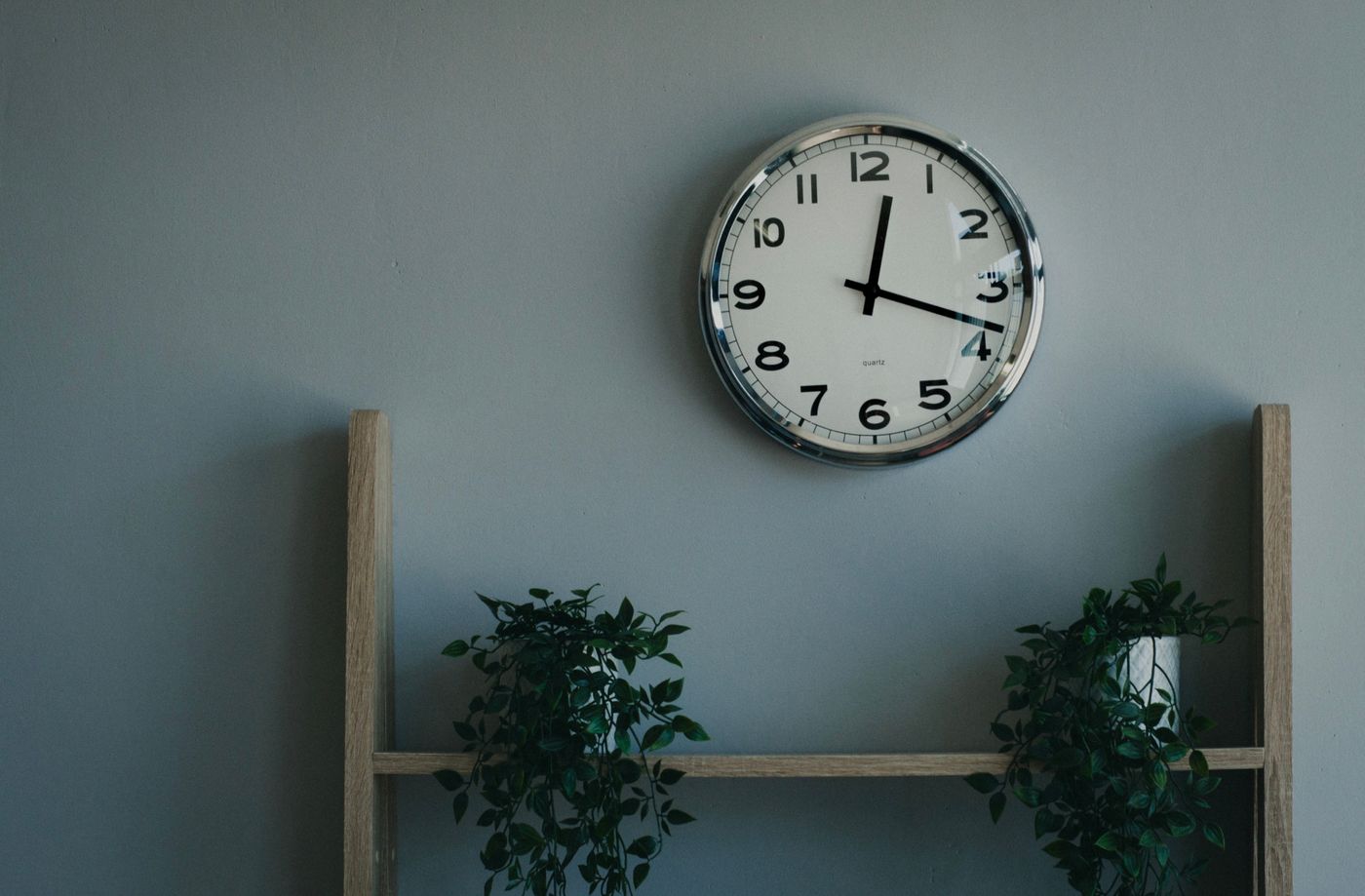
Choosing a wall clock you can read across the room
Start with the view from your chair, not the close-up in a product photograph.
Read the notes ↗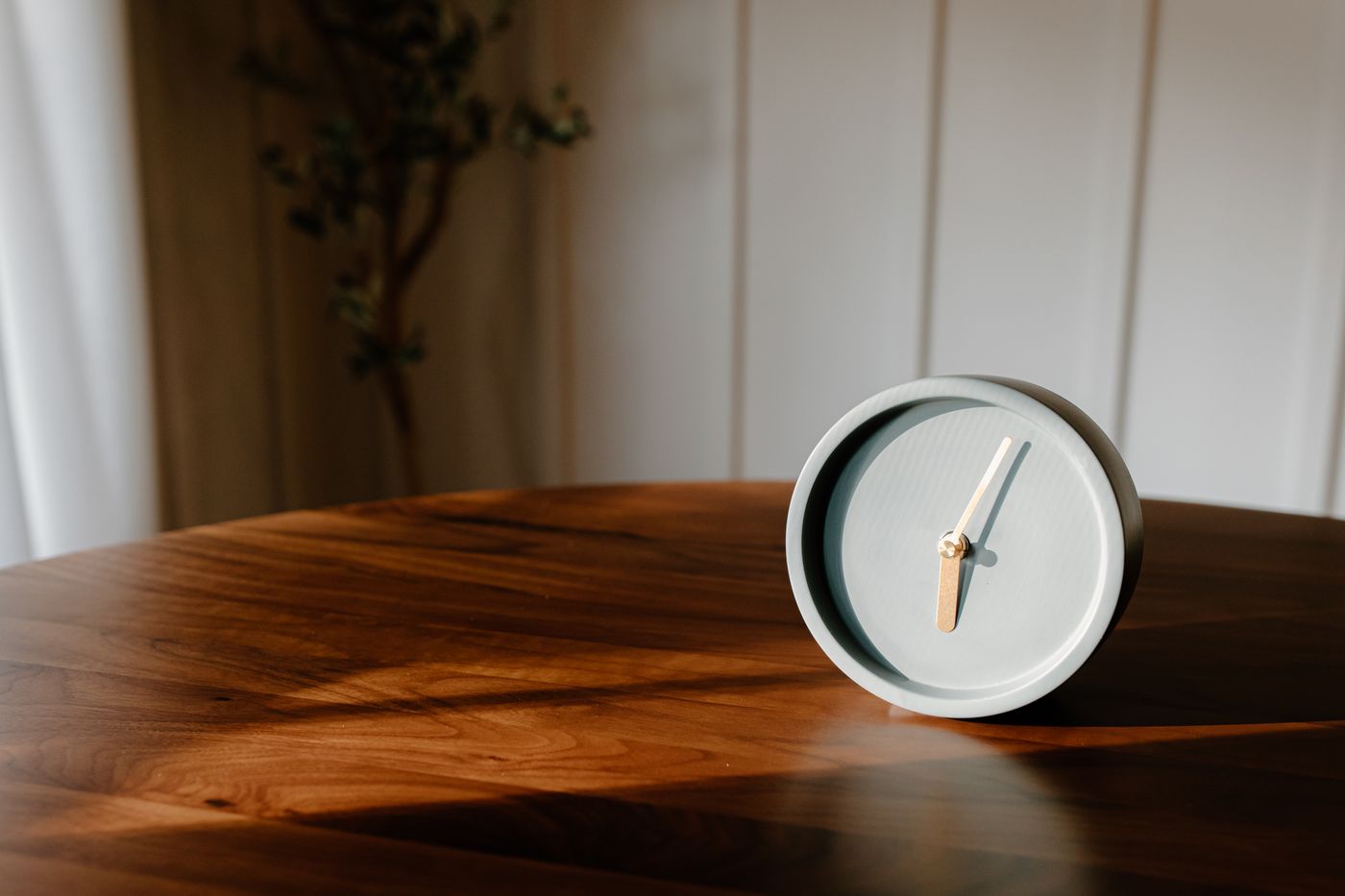
What a silent clock actually promises
Quietness depends on the whole clock, its position and the room around it.
Read the notes ↗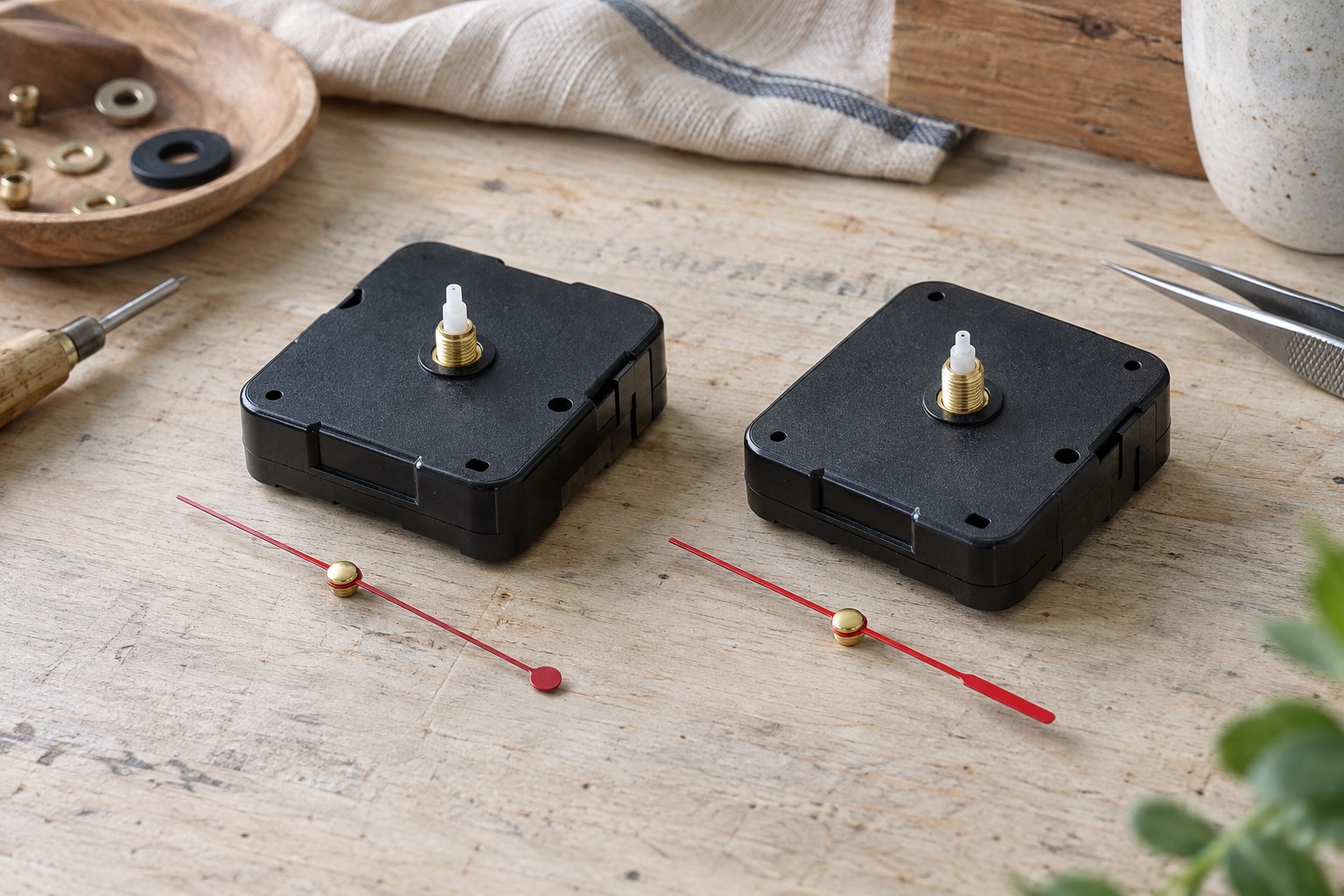
Sweep or step: choosing a quartz movement
The seconds hand's movement changes the feel of a clock, but it does not settle every buying question.
Read the notes ↗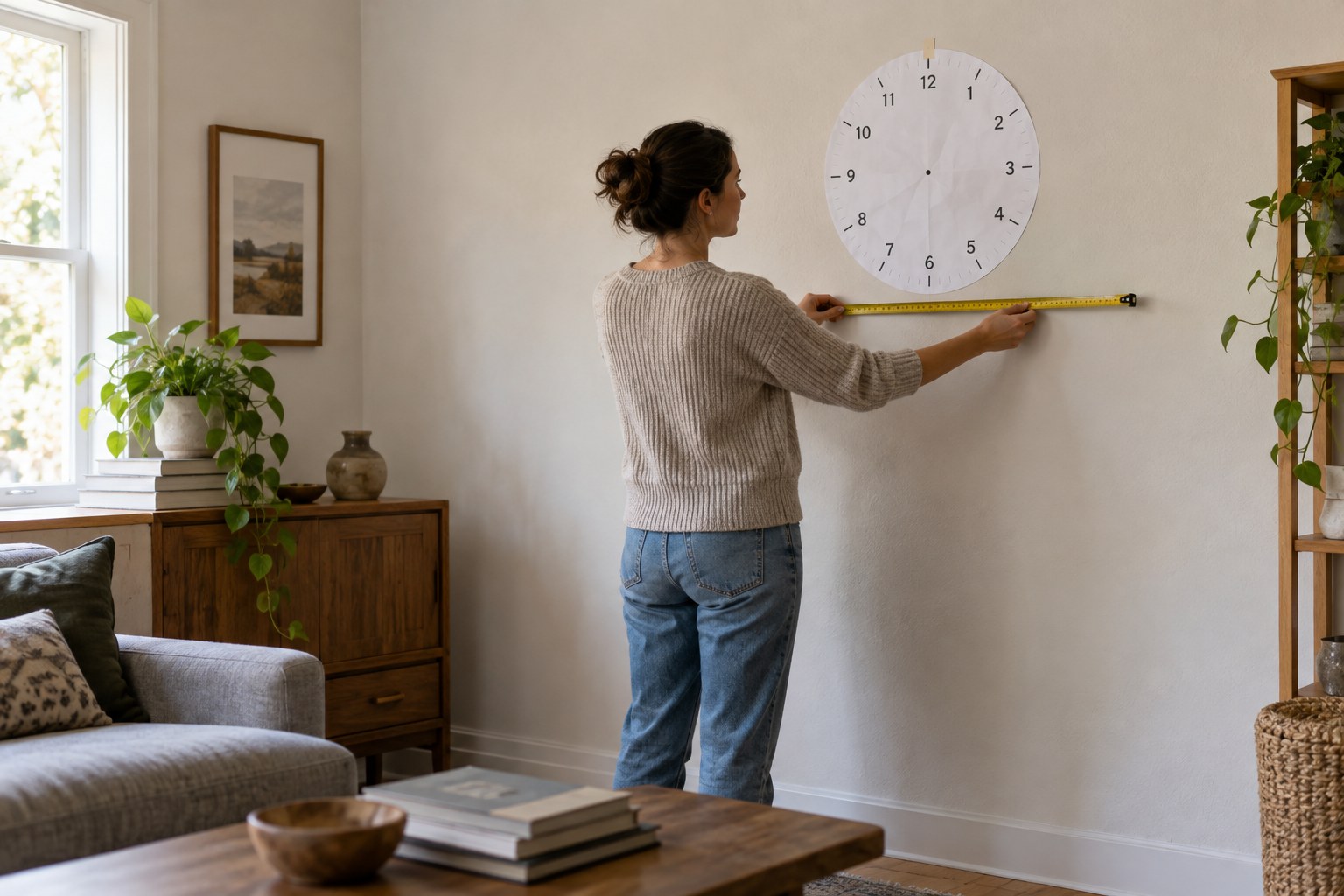
Measuring a wall before buying a clock
Measure the empty space, the usable dial and the route needed to reach the clock later.
Read the notes ↗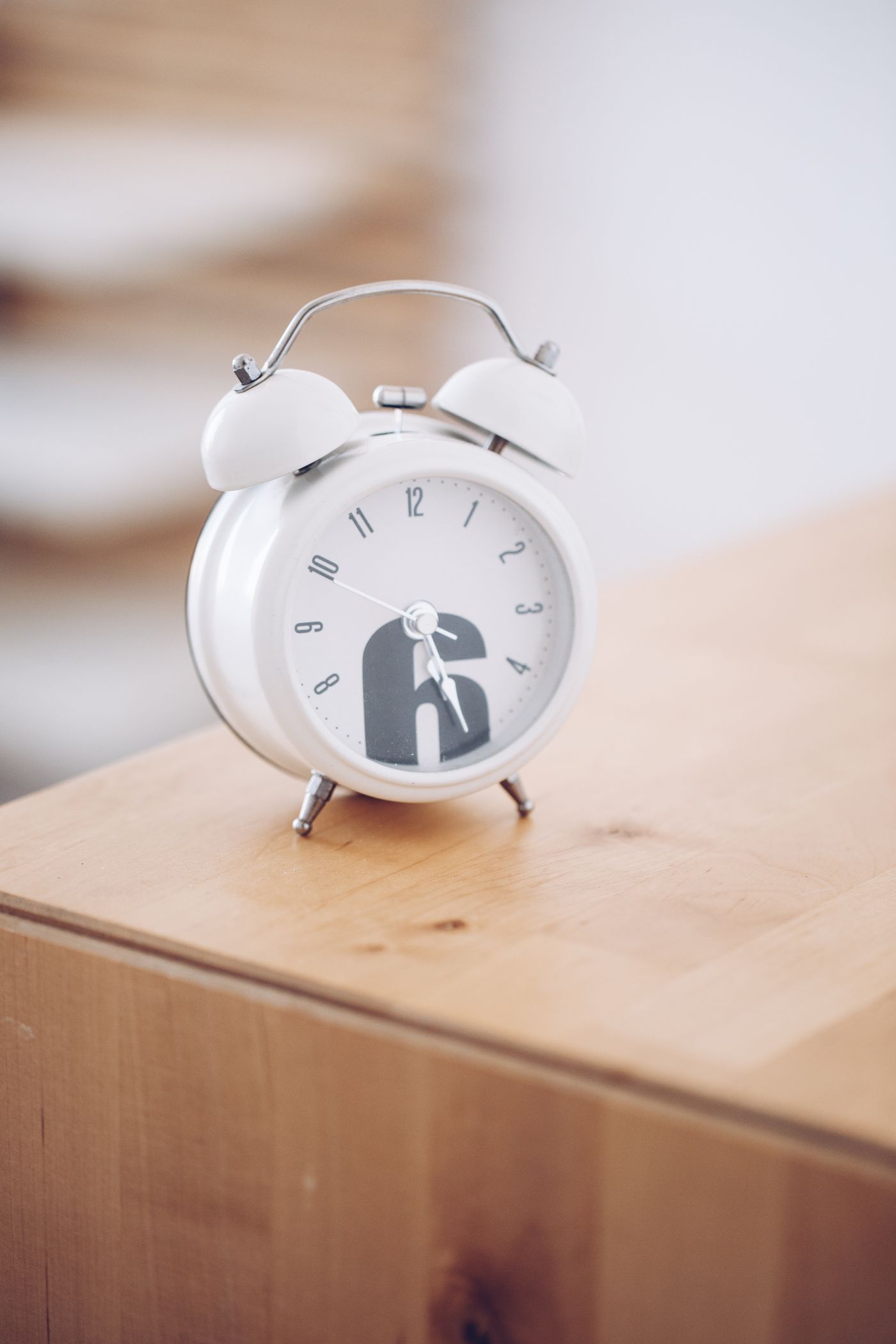
Analogue or digital for a bedside clock
Choose the display you can understand comfortably from your usual sleeping position.
Read the notes ↗
Choosing an alarm you can set in the dark
Distinct controls matter when you reach for an alarm without turning on the room light.
Read the notes ↗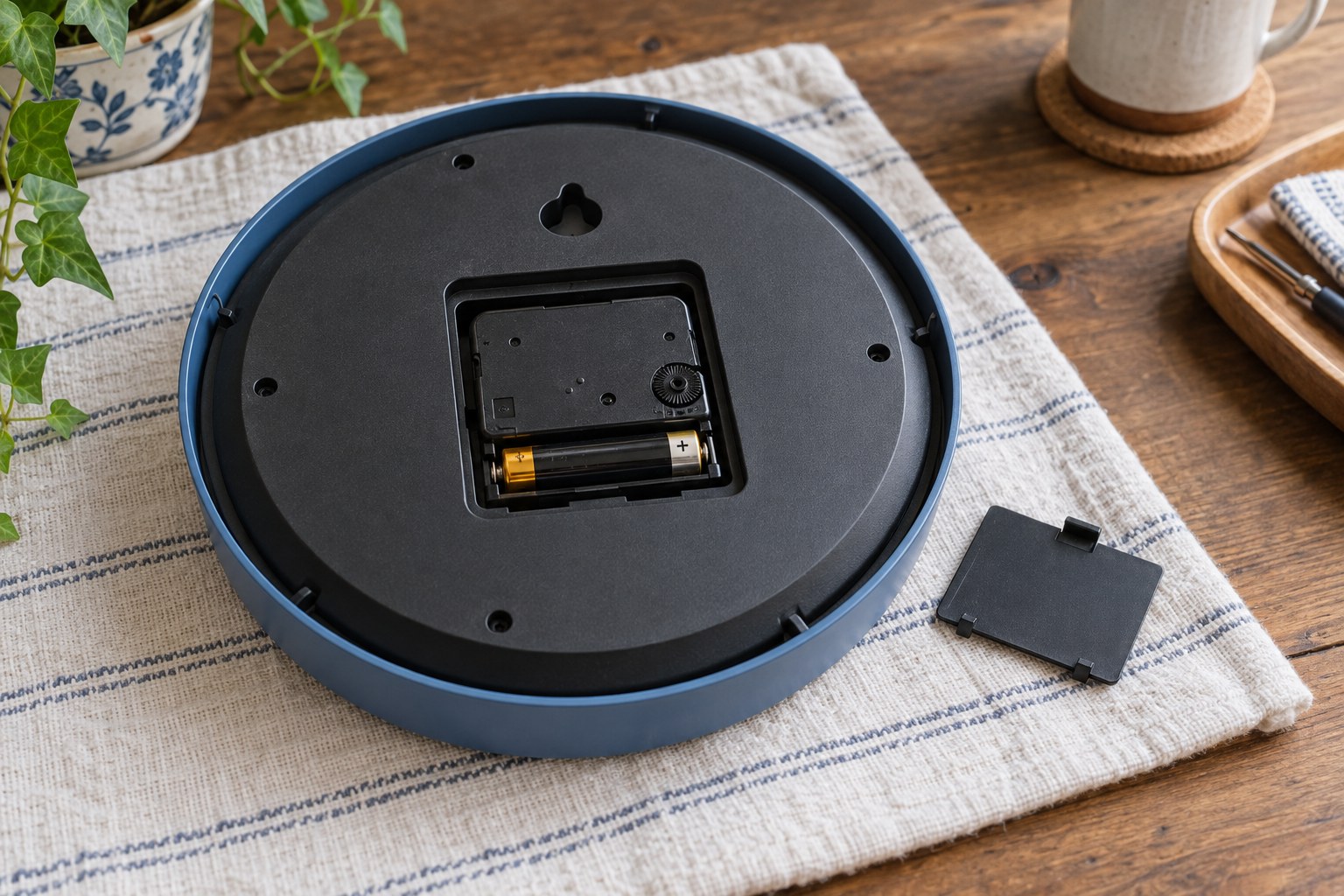
Battery access matters more than it looks
A well-placed battery compartment makes routine changes easier and reduces unnecessary handling.
Read the notes ↗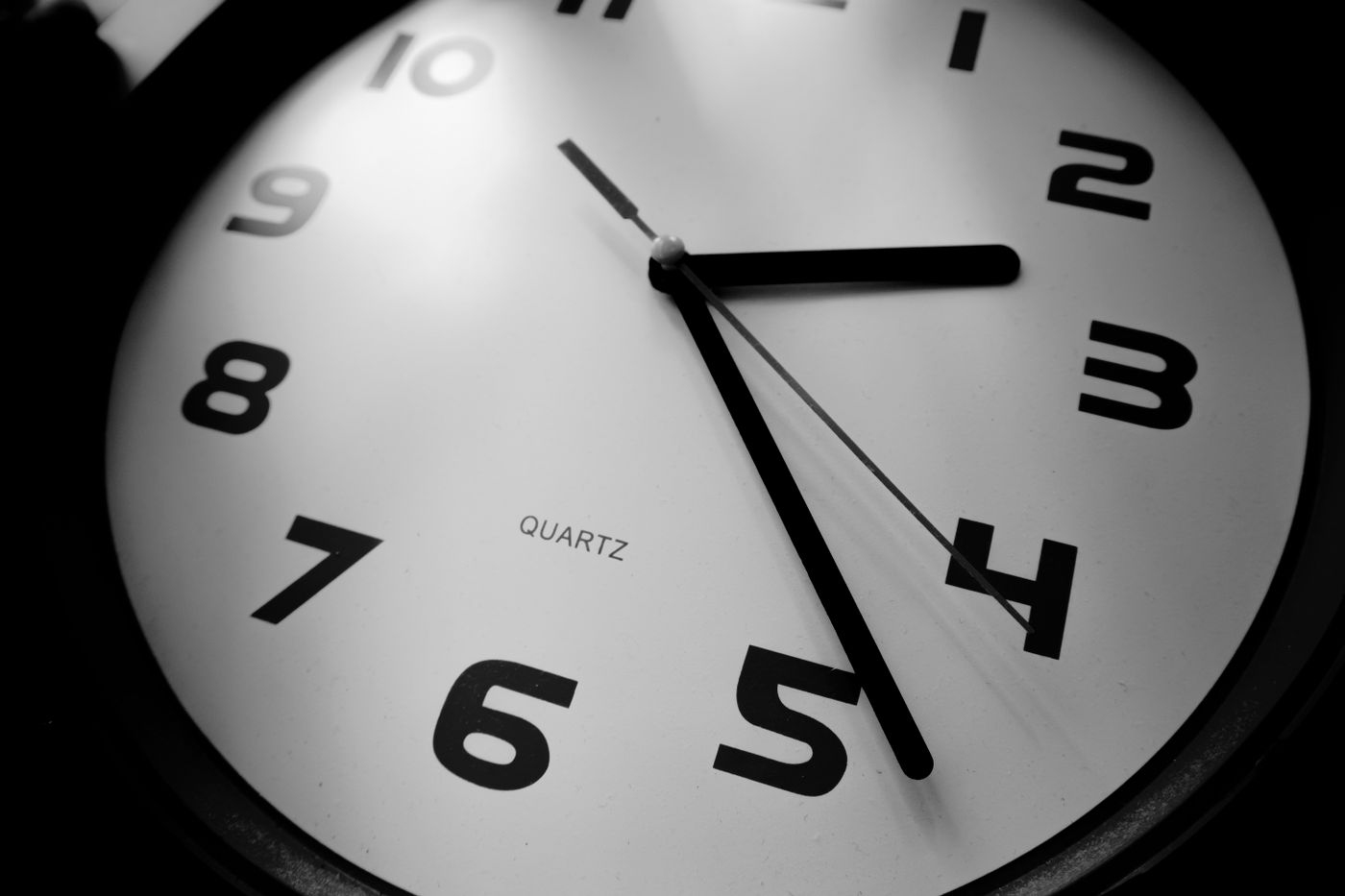
Reading the dial from an angle
A clock that reads well head-on can become awkward from the sofa or doorway.
Read the notes ↗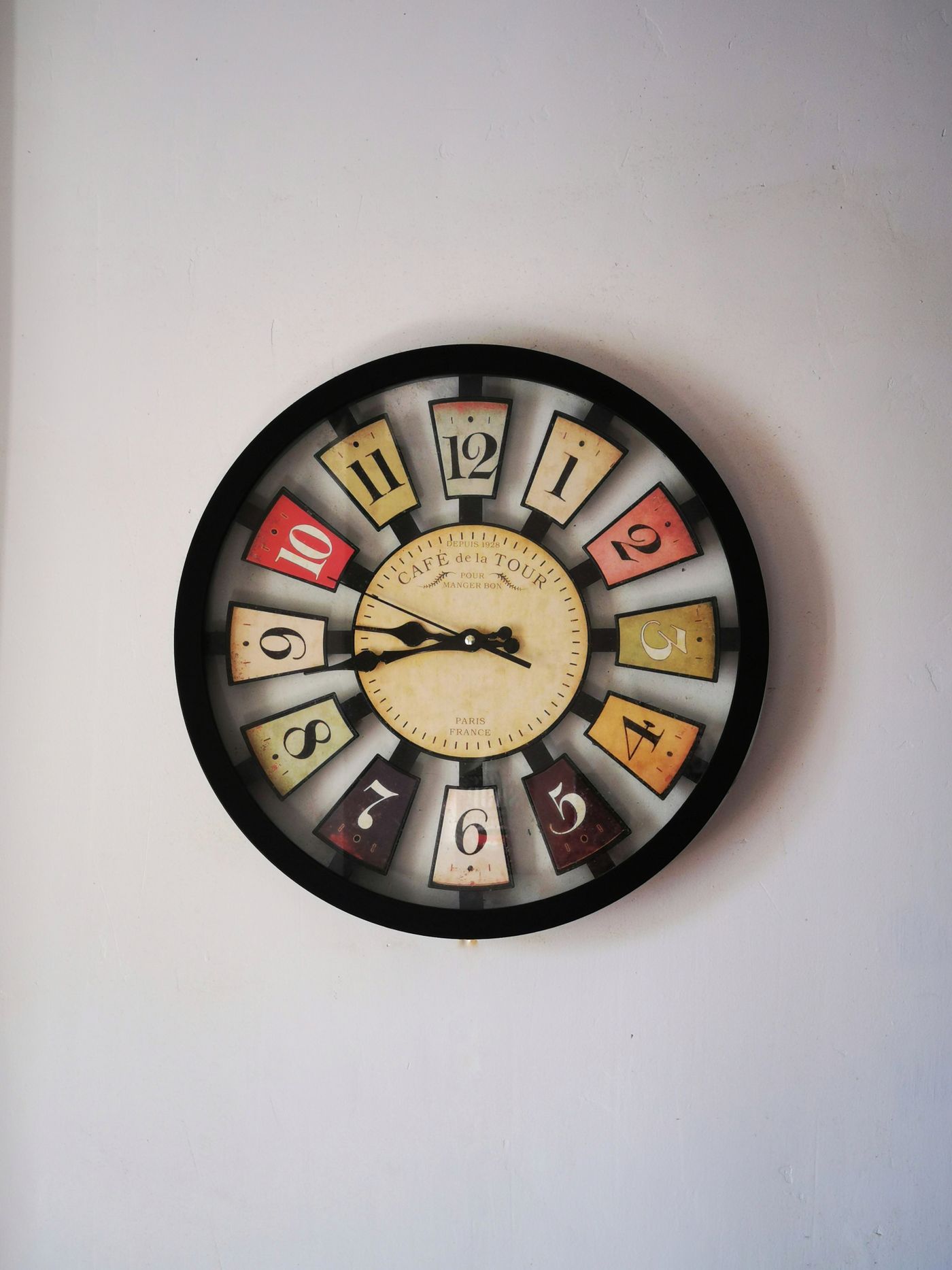
Why thin hands disappear on patterned dials
Fine hands can merge into decoration even when the numerals are large.
Read the notes ↗