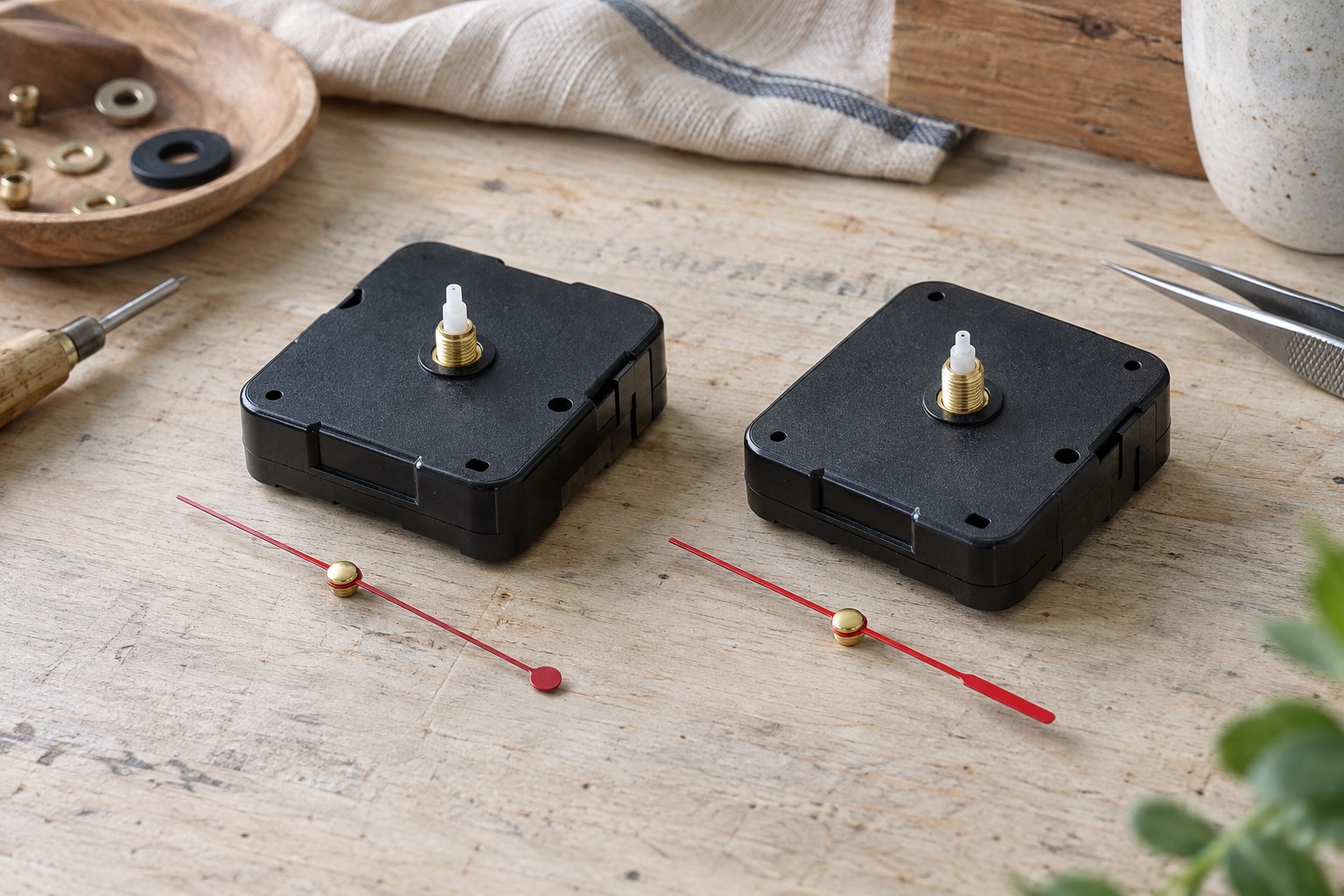
Establish what you are looking at
Ask for the model name and photographs of the front, back and battery compartment. Confirm that it is a modern quartz clock rather than an older mechanism housed in a similar case. Look for an intact hanging point, a secure cover and the correct compartment lid. A missing decorative piece may be acceptable to you, but a damaged mounting point changes whether the clock can be used safely. Keep cosmetic preferences separate from structural concerns so an attractive dial does not distract from a broken case.
Ask for a realistic operating check
A photograph of hands at one time does not demonstrate that the clock runs. Ask whether it has been observed over a useful period and whether any stopping or erratic behaviour is known. A short video can show movement but cannot prove long-term accuracy. Check that the correct battery type has been used and that the compartment appears clean and intact. Do not ask a seller to scrape corrosion or force a stuck cell for your inspection. If there is leakage or unexplained damage, factor in professional advice or walk away rather than assuming a fresh battery solves it.
Count the missing practical details
Find out whether the setting control works, whether the instructions are available and how the clock will be packed. Exposed hands need protection without pressure on them. If buying in person, handle the case gently and do not open parts that are not intended for routine access. For online purchases, read the description of faults and the seller's return arrangements. Compare the total cost with a complete working alternative, including any replacement cover or mechanism that would actually be needed. Avoid assigning a precise repair cost without identifying the fault.