Compare a glance, not a close-up
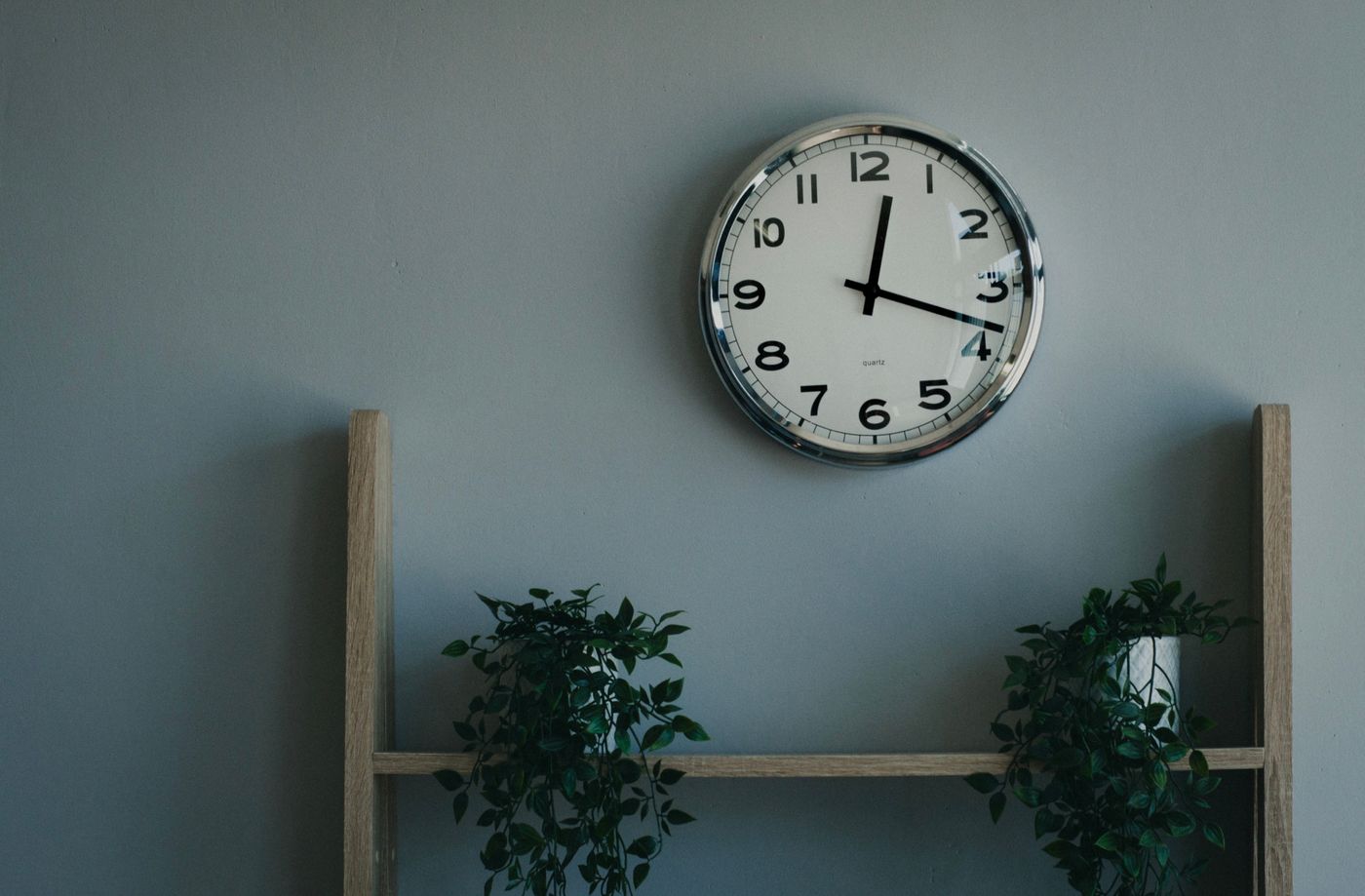
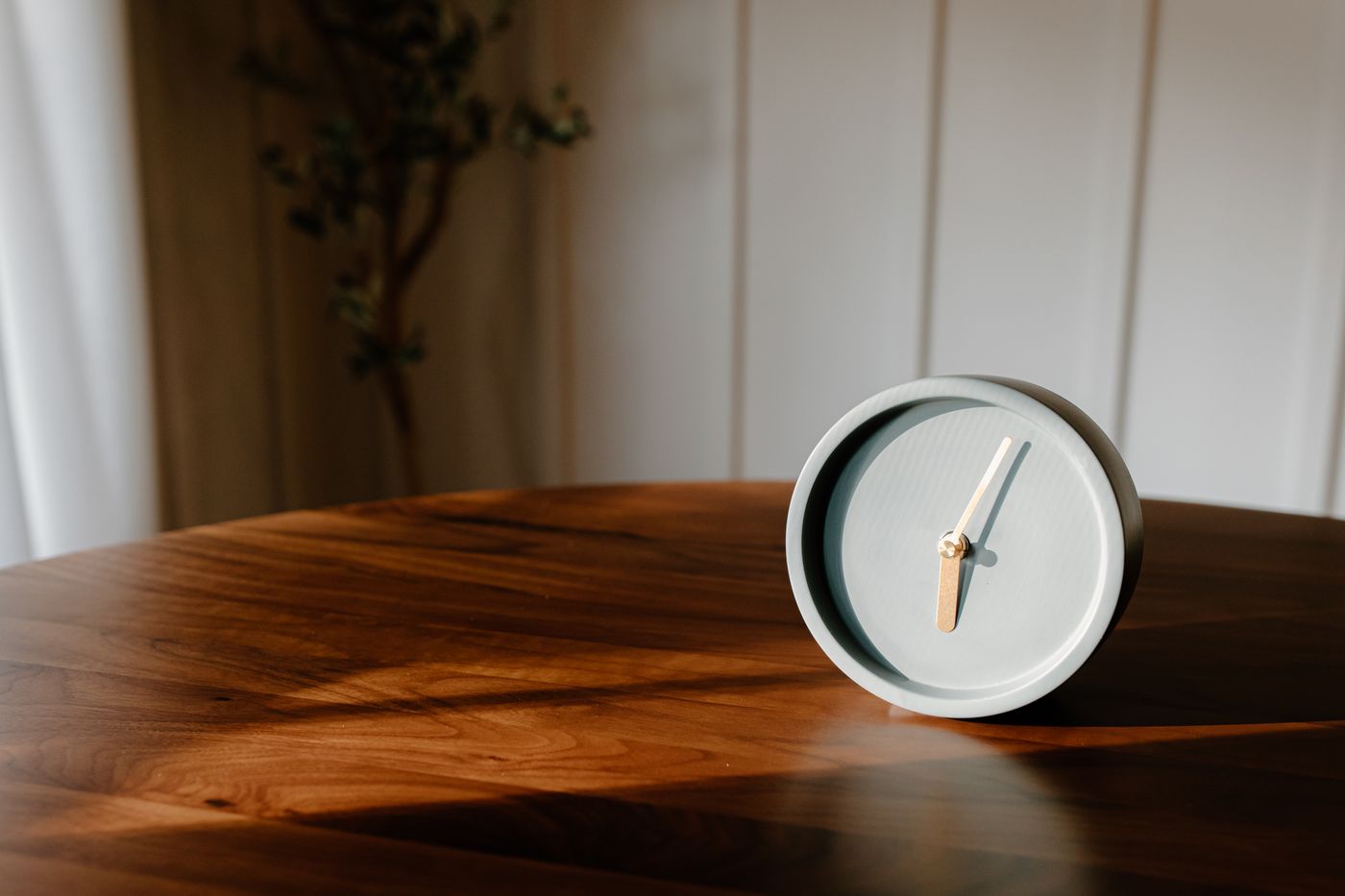
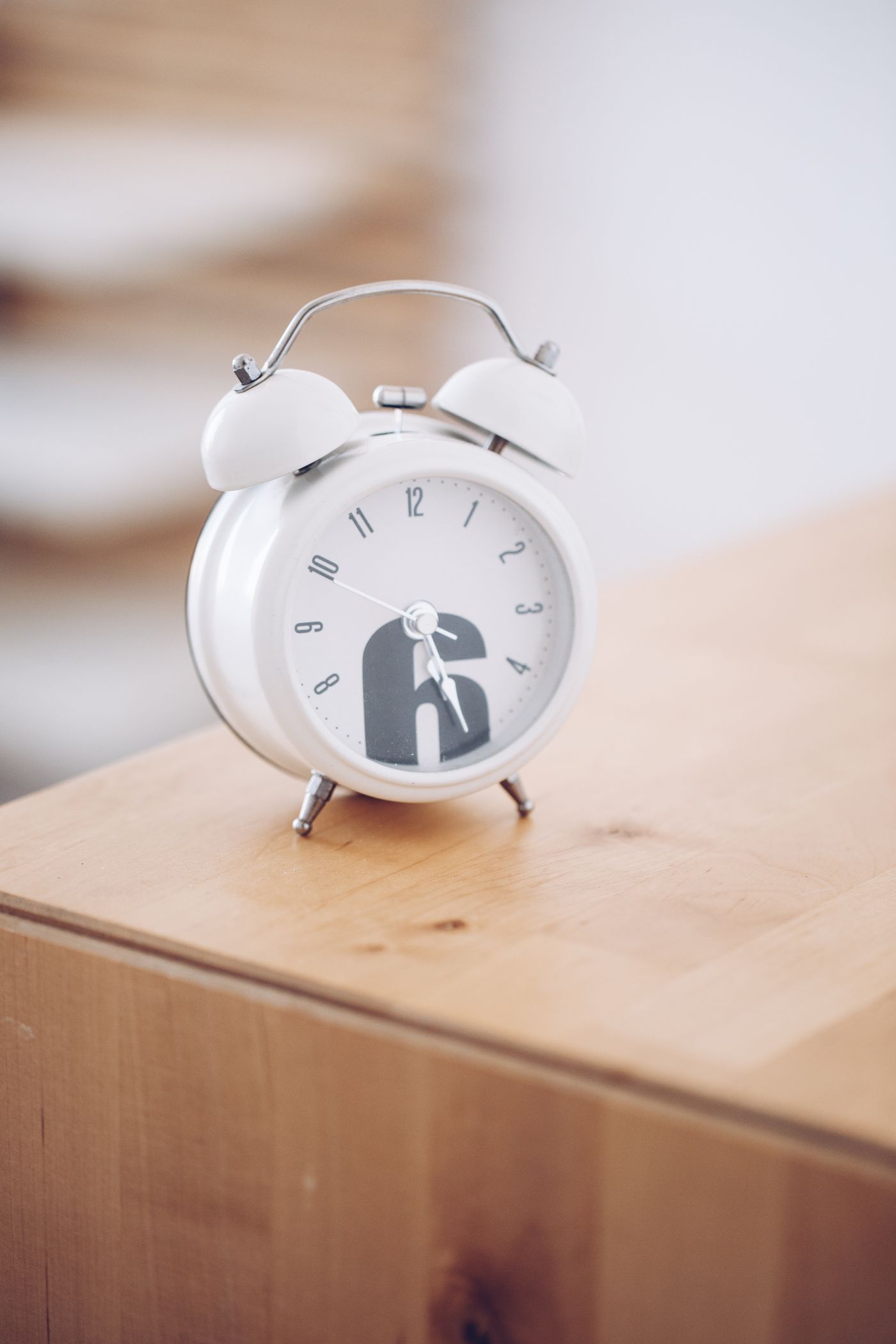
An analogue face shows the relationship between the hour and minute hands, while a digital display presents the time as numerals. Neither format automatically suits everyone. Look at both from the distance between your pillow and bedside table. On an analogue clock, check that the hands differ clearly in length and remain visible against the dial. On a digital model, examine the spacing of the digits and the size of the colon. Large numbers are less helpful if their shape or reflections make them ambiguous from an angle.
Decide what happens after dark
Some analogue clocks need an external light; others have a button-operated light or luminous markings. Digital displays may glow continuously, illuminate briefly or rely on room light. Ask which behaviour the exact model offers. A photograph taken in bright studio lighting will not tell you how strong a display looks at night. If you prefer darkness, look for controls that let you reduce or switch off illumination without disabling the alarm. Check whether touching the light button also starts snooze, so a midnight time check does not unexpectedly change the morning routine.
Practise the everyday controls
The best display is not necessarily paired with the easiest alarm setting. Find the time-setting, alarm-setting and alarm-off controls in the manual. Consider whether you can distinguish them by touch while the clock remains steady. A digital clock should make morning and evening settings clear if it uses a twelve-hour format. An analogue alarm needs a readable alarm pointer or another unambiguous setting method. Test the alarm while awake and keep a familiar backup for the first morning rather than assuming the initial setting is correct.