Separate the listed measurements
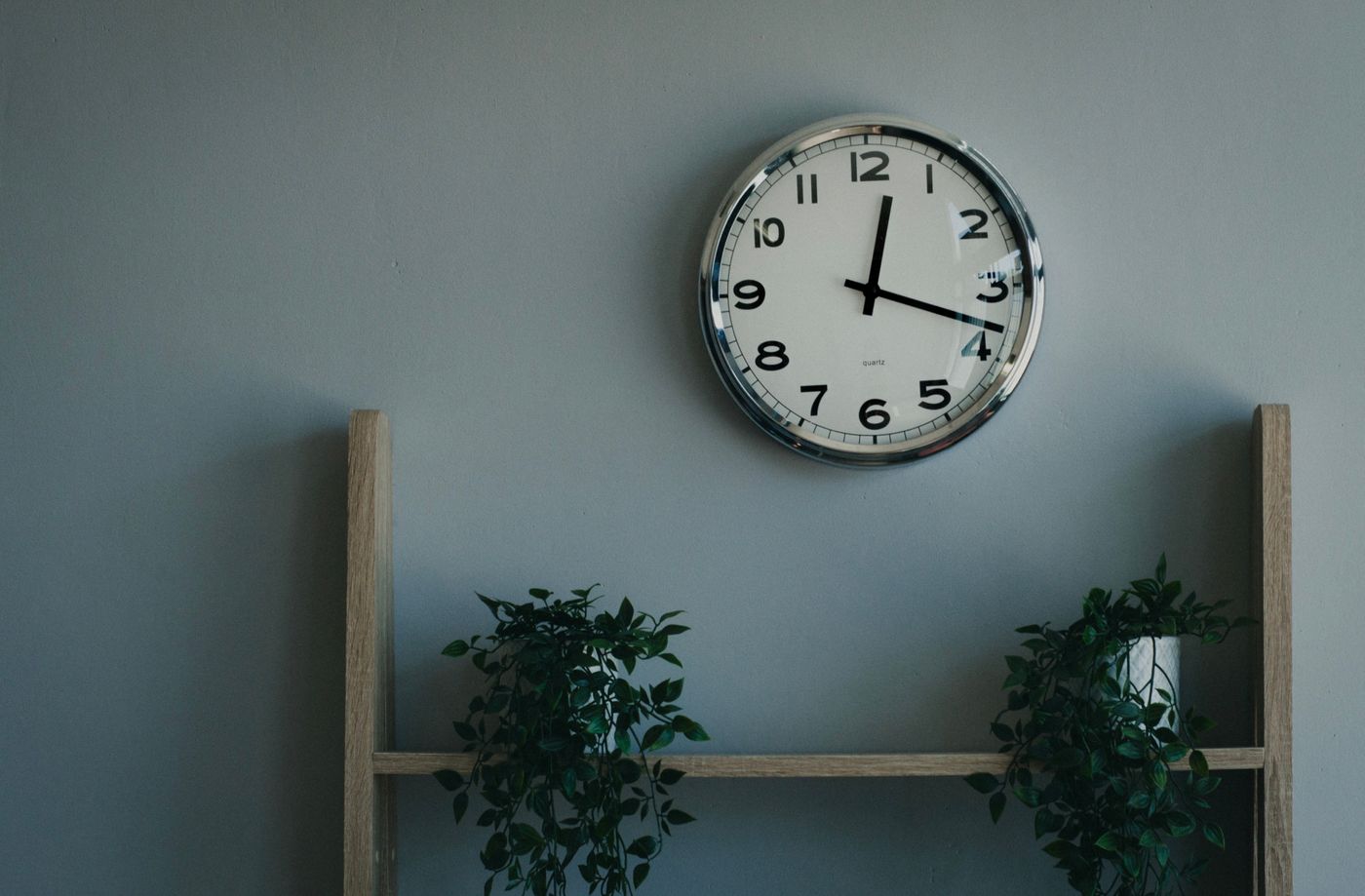
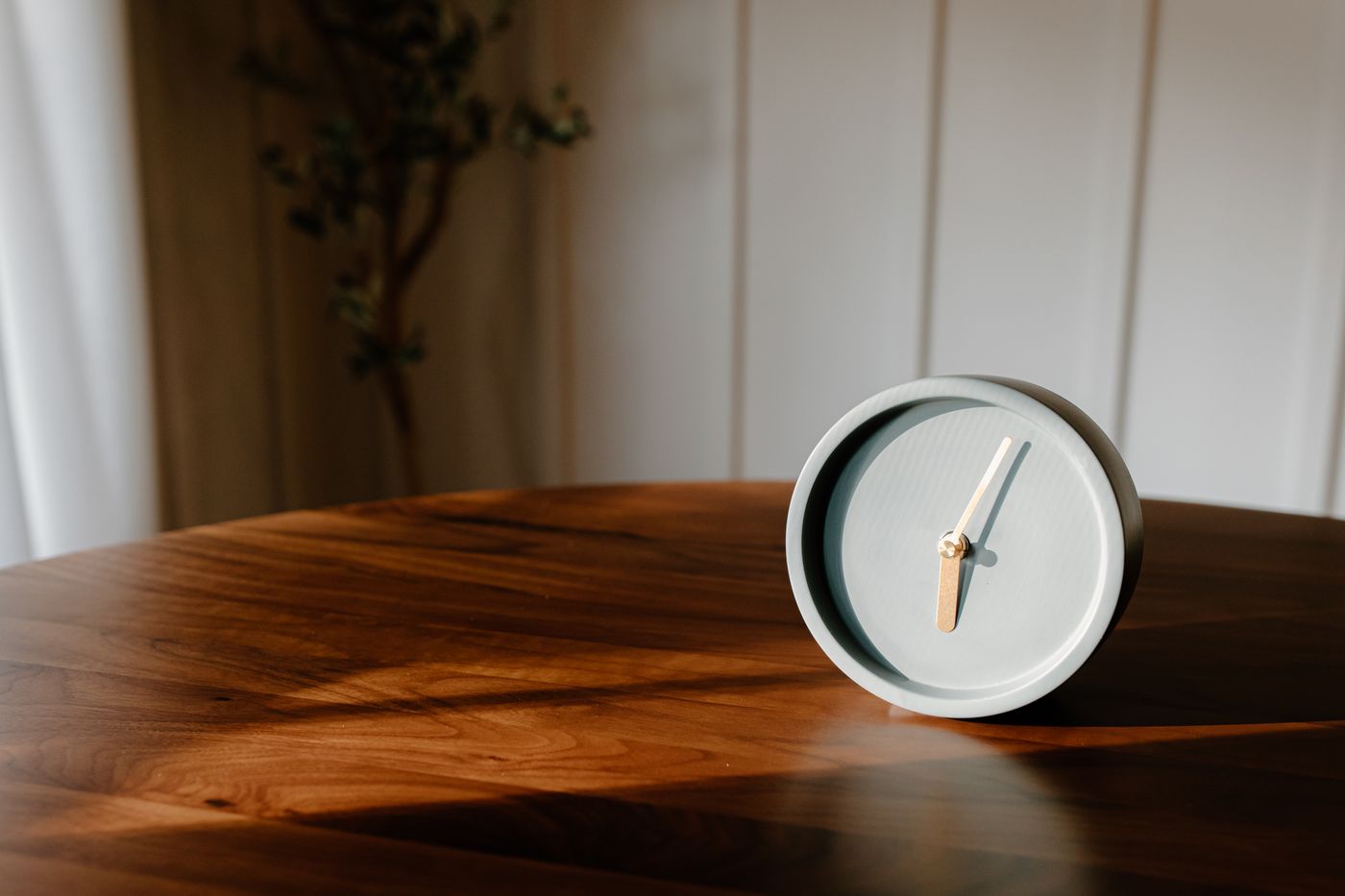
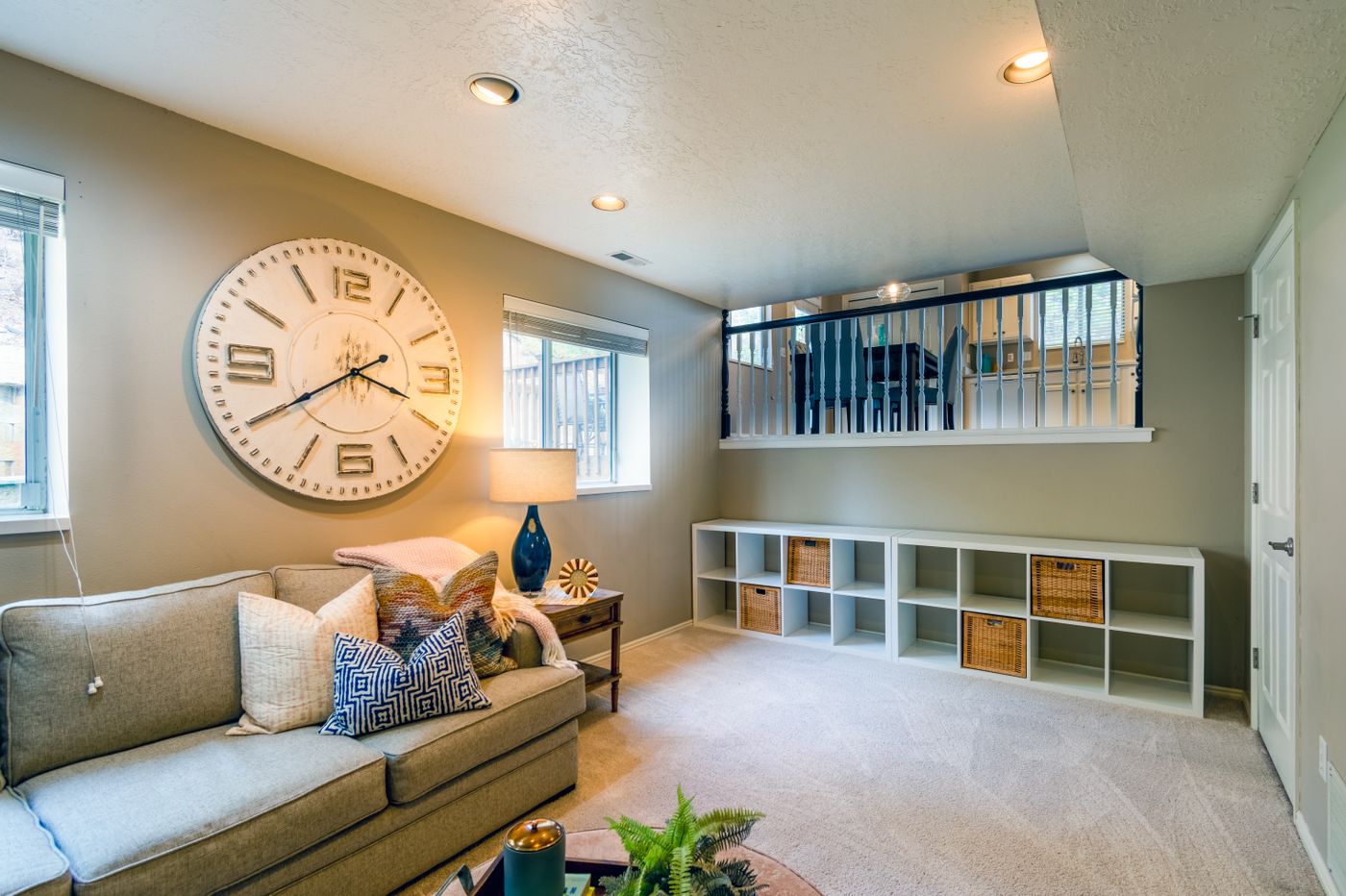
Read whether the quoted size is the full case, the dial or the packaging. For a round design, diameter is useful, but depth also matters beside a doorway or on a narrow shelf. Irregular clocks may include projecting numerals or decoration beyond the central face. Ask for the maximum width and height if those parts are not included clearly. A lifestyle photograph can be misleading because furniture sizes and camera perspective vary. Treat it as a styling suggestion rather than a measuring tool.
Build a simple comparison
Draw or cut the full outline on paper and place it against the intended wall using a finish-safe method. Add the approximate dial area inside it if the frame is wide. Check the result from the places where you will read the time. If comparing two sizes, use two separate outlines rather than imagining the difference from numbers alone. Take a photograph from your normal seat, but make the final judgement in the room; a phone's wide-angle lens can change the apparent proportions. Include nearby lamps, plants and open doors in the test.
Resolve the remaining unknowns
An outline cannot show reflections, case quality or how easy the hands are to read. Look for close-up and side photographs, the clock's net weight and the battery access arrangement. Check return conditions before ordering, particularly if the colour or finish is difficult to judge on screen. Keep packaging intact while assessing the clock in ordinary light. Compare the delivered object with the stated dimensions before installation, and make sure there is enough space to lift it onto and off its fixing without scraping the surrounding wall or furniture.