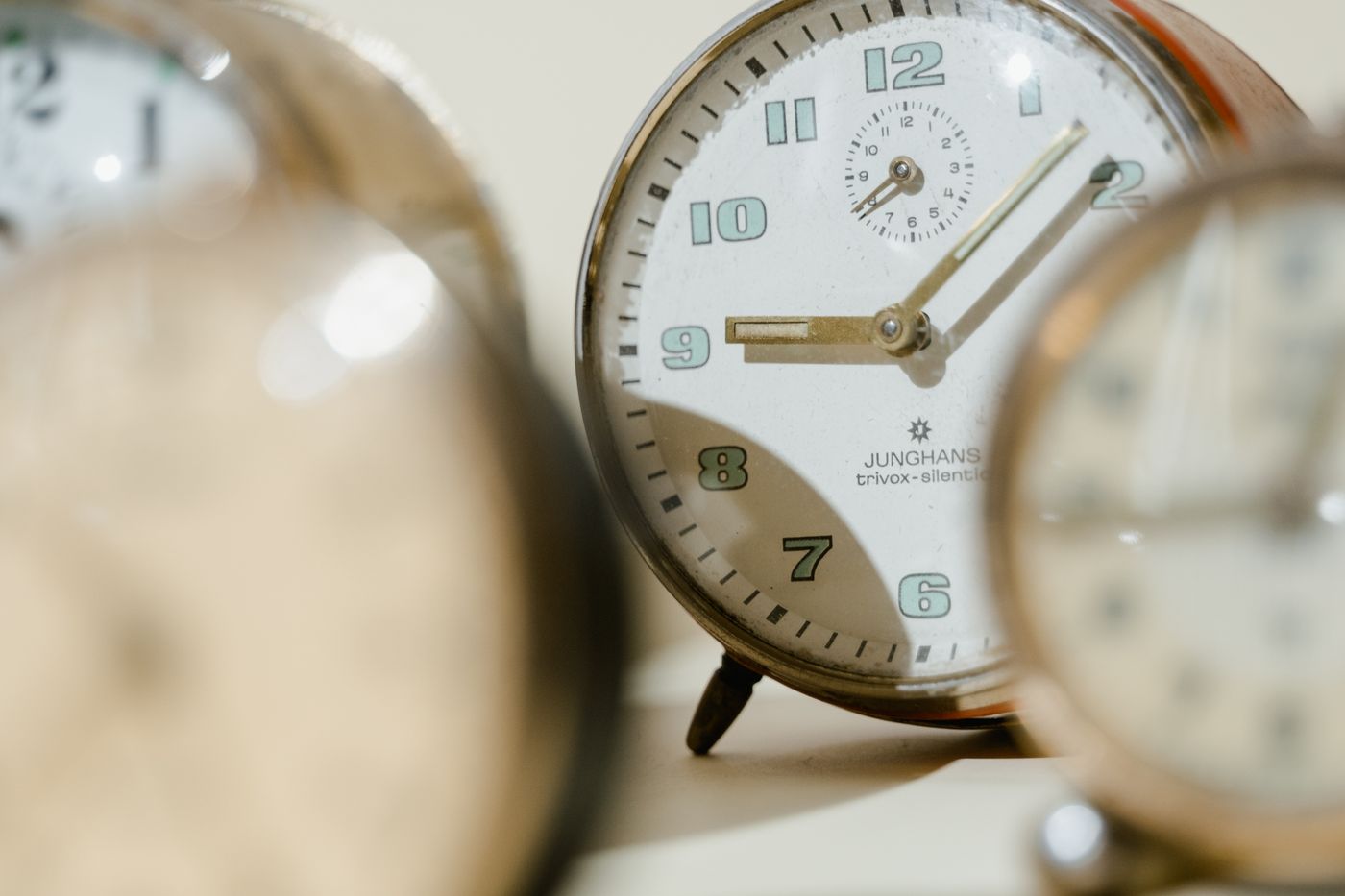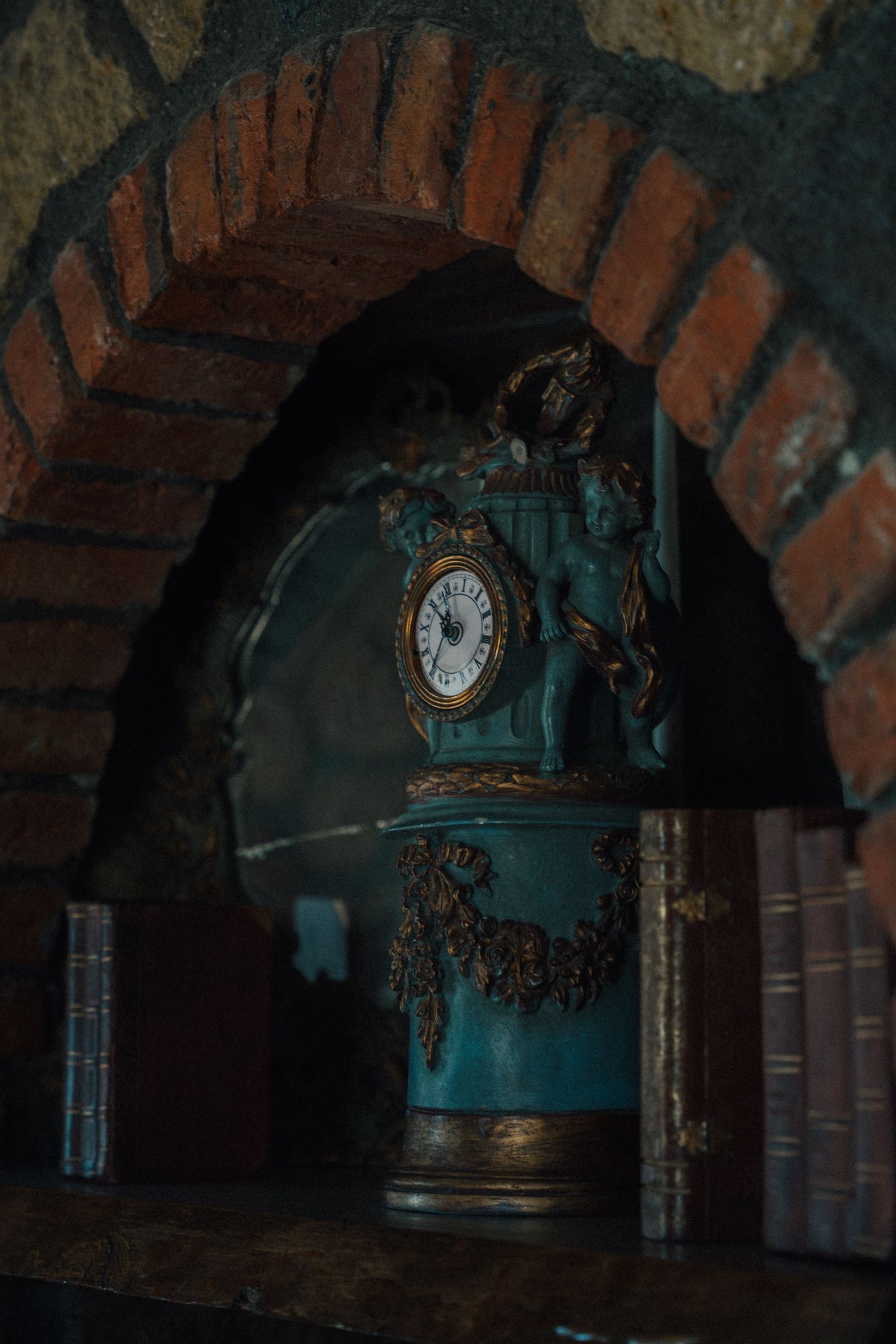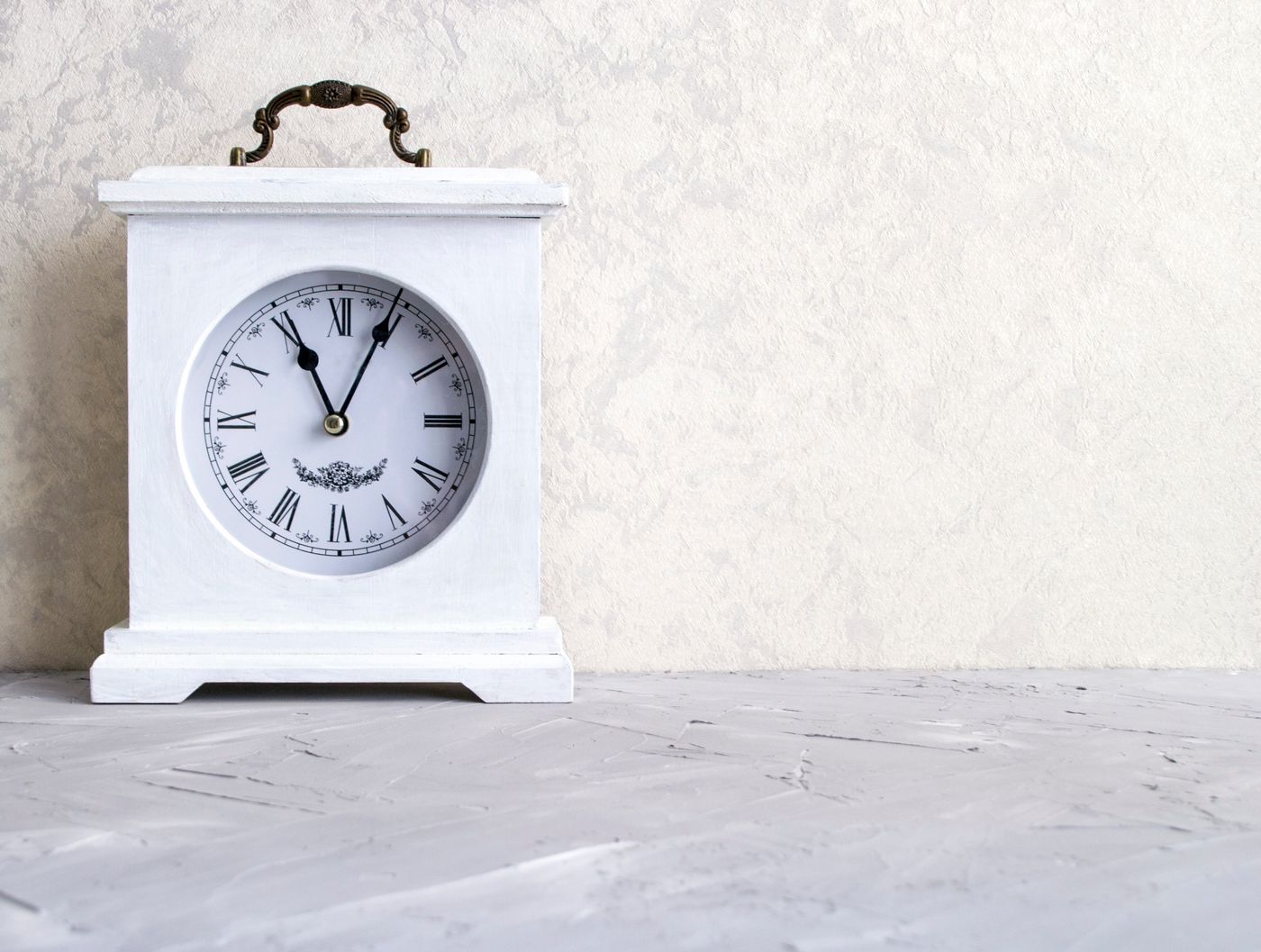
Choose with the room in mind
Measure the shelf depth and usable width before looking at clocks. Include room to lift the object safely without scraping adjacent ornaments. The case's feet and rear projection matter as much as its front silhouette, so request side and base views when buying remotely. Think about the viewing distance. A small dial beneath an elaborate top may suit a close shelf but disappear above a busy fireplace. Make a paper outline of the complete case to judge its presence without treating the advertised dial diameter as the overall size.
Inspect the support points
Check the base, feet and applied decoration for cracks or loose parts. Ask permission before handling and lift from sound structural areas with appropriate support. A decorative handle or finial should not be treated as a carrying point. If the case is fragile, obtain advice about moving and displaying it before purchase.
Display-only does not mean every condition issue is irrelevant. Loose glass, unstable repairs or shedding material still need attention. An old electrical clock should not be plugged in merely to see whether it works, and uncertain luminous material should remain undisturbed.
Keep operation a separate decision
Ask whether the clock is being sold as running, untested or non-working, and record the answer. You can choose it for its case without attempting to revive the movement. If you later want it to operate, arrange an assessment rather than beginning with winding, oil or a trial connection to power.
Place the clock on a stable surface away from direct heat and locations where it is easily knocked. Check that doors, curtains and cleaning routines will not catch projecting parts. Keep any loose accessories labelled separately, and retain the seller's description so a future repair enquiry starts with the known condition.