Identify your less convenient view
Walk through the room and note the places where you actually check the time. The straight-on view may be the least important if the clock sits opposite an unused wall. Look from the kitchen worktop, the end of the dining table and the normal seated position. Record which side of the clock you see and whether you look upwards. This is more useful than choosing a mounting point solely because it centres neatly above furniture. If two regular viewing positions conflict, decide which deserves priority before buying.
Examine the case and the cover
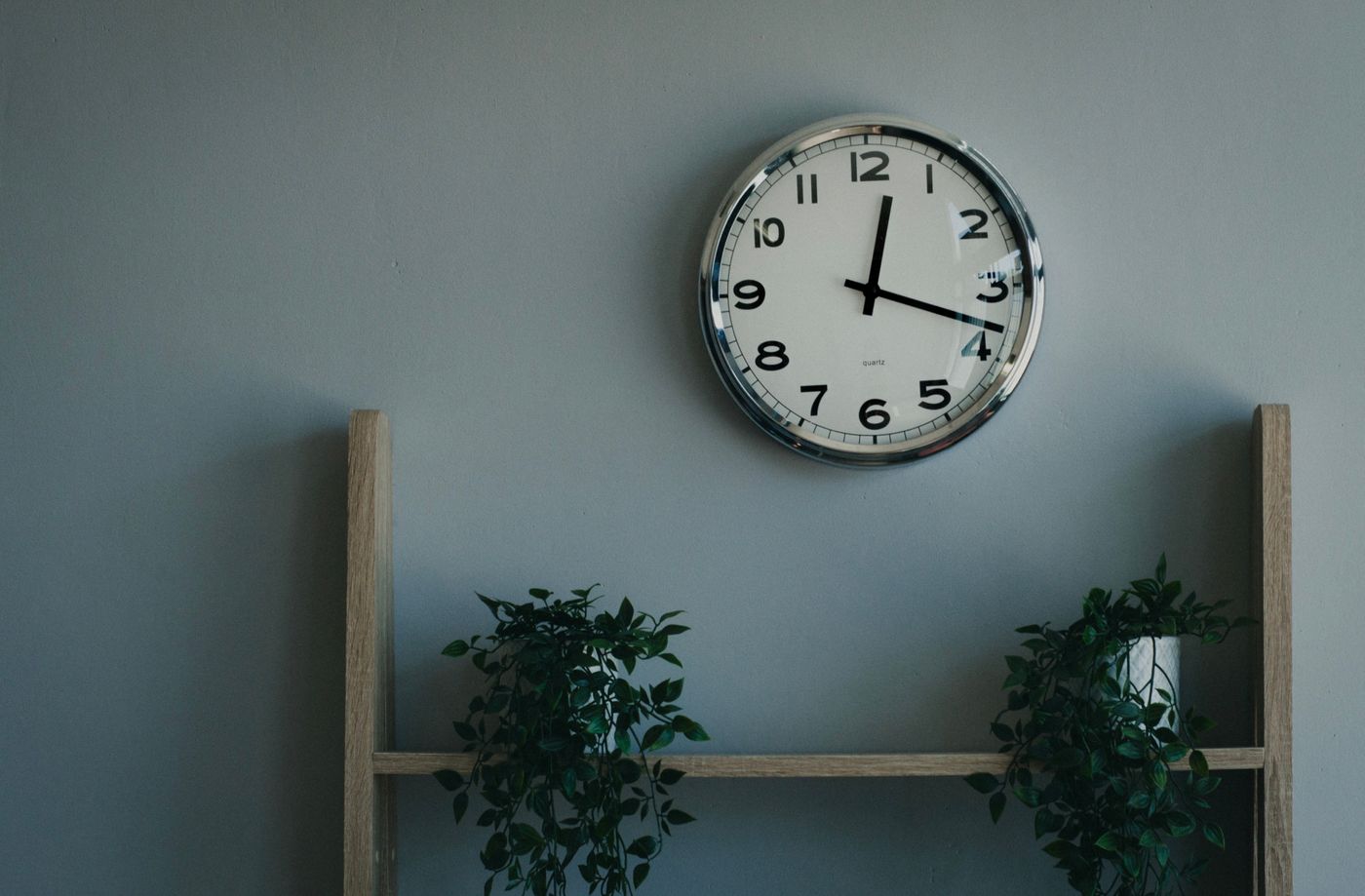
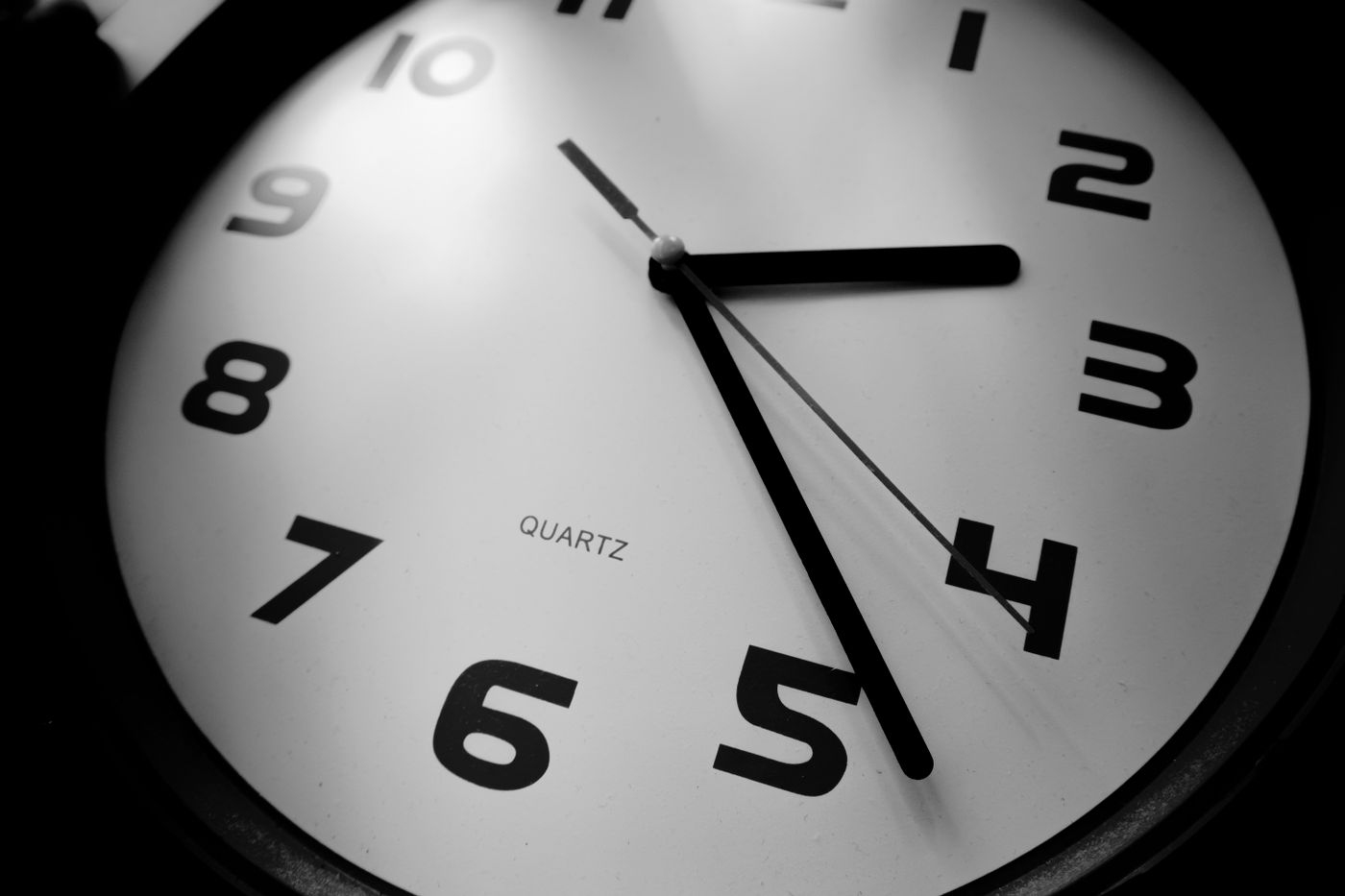
A deep rim can hide the edge of the dial when viewed obliquely. Thick-looking numerals in a product photograph may therefore disappear behind the surround from the side. A glazed front introduces another variable: reflected windows and lamps can obscure the hands even when the dial itself remains visible. Ask for a side photograph or inspect a display model. For a digital clock, check the manufacturer's viewing-angle information if supplied and try the screen at the expected height. Do not infer real visibility from a heavily edited advertising image.
Try a small positional change
Before increasing the clock size, test whether moving the position slightly improves the view. A paper mock-up will show the footprint, although it cannot reproduce glass reflections or display behaviour. Keep the proposed mounting secure and compatible with the clock's hanging system; do not tilt a clock on an improvised wedge. Once the actual clock arrives, inspect it in both daylight and evening light before final installation. Read several different hand positions rather than only one convenient time. The hour and minute hands should remain distinguishable as they move across the dial.