Compare like with like
Start by separating asking prices from completed transactions. A high advertised figure shows what someone hopes to receive; it does not establish what a buyer paid. Even a recorded sale needs context, including condition, originality, accessories and whether charges were included in the displayed amount.
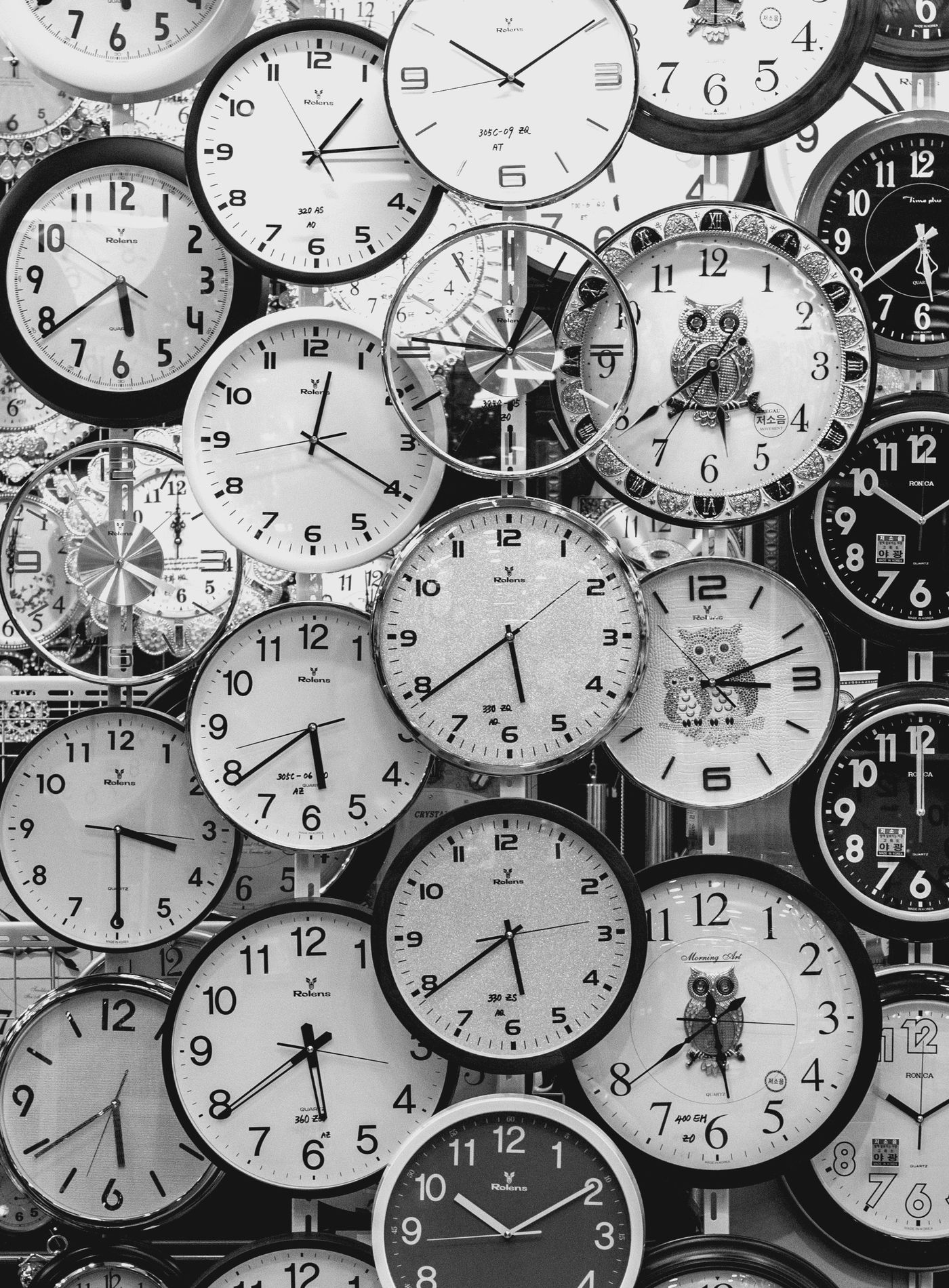
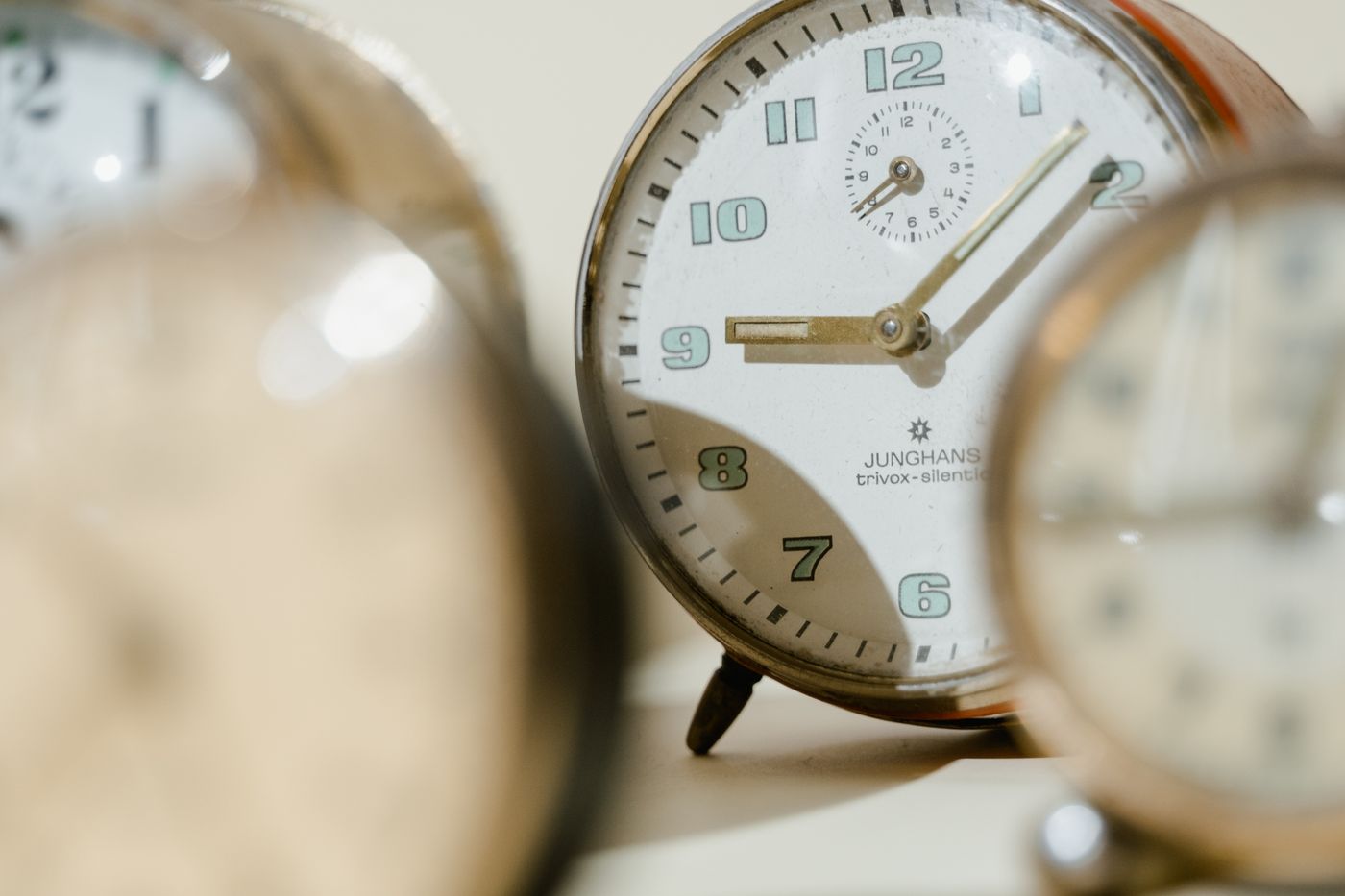
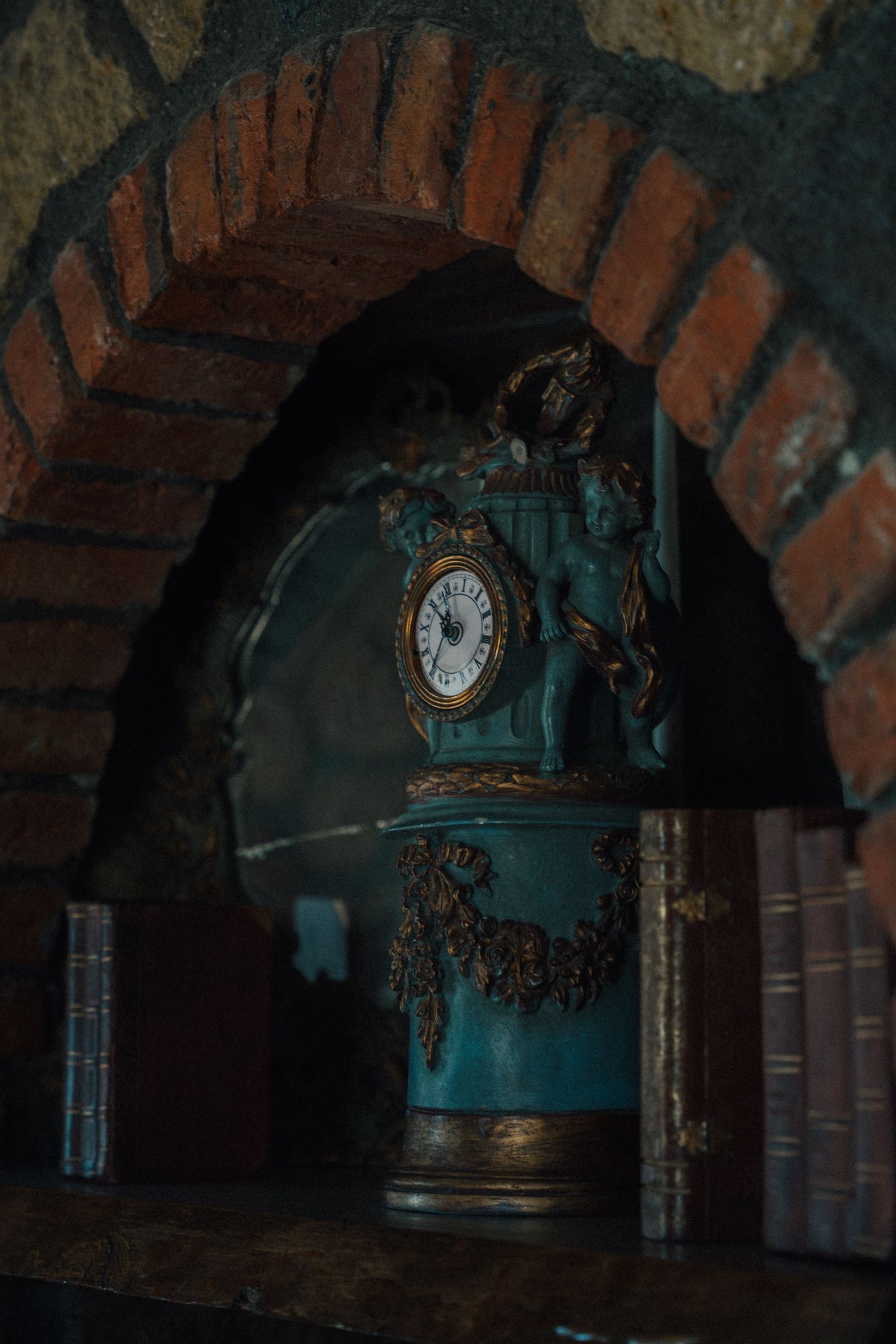
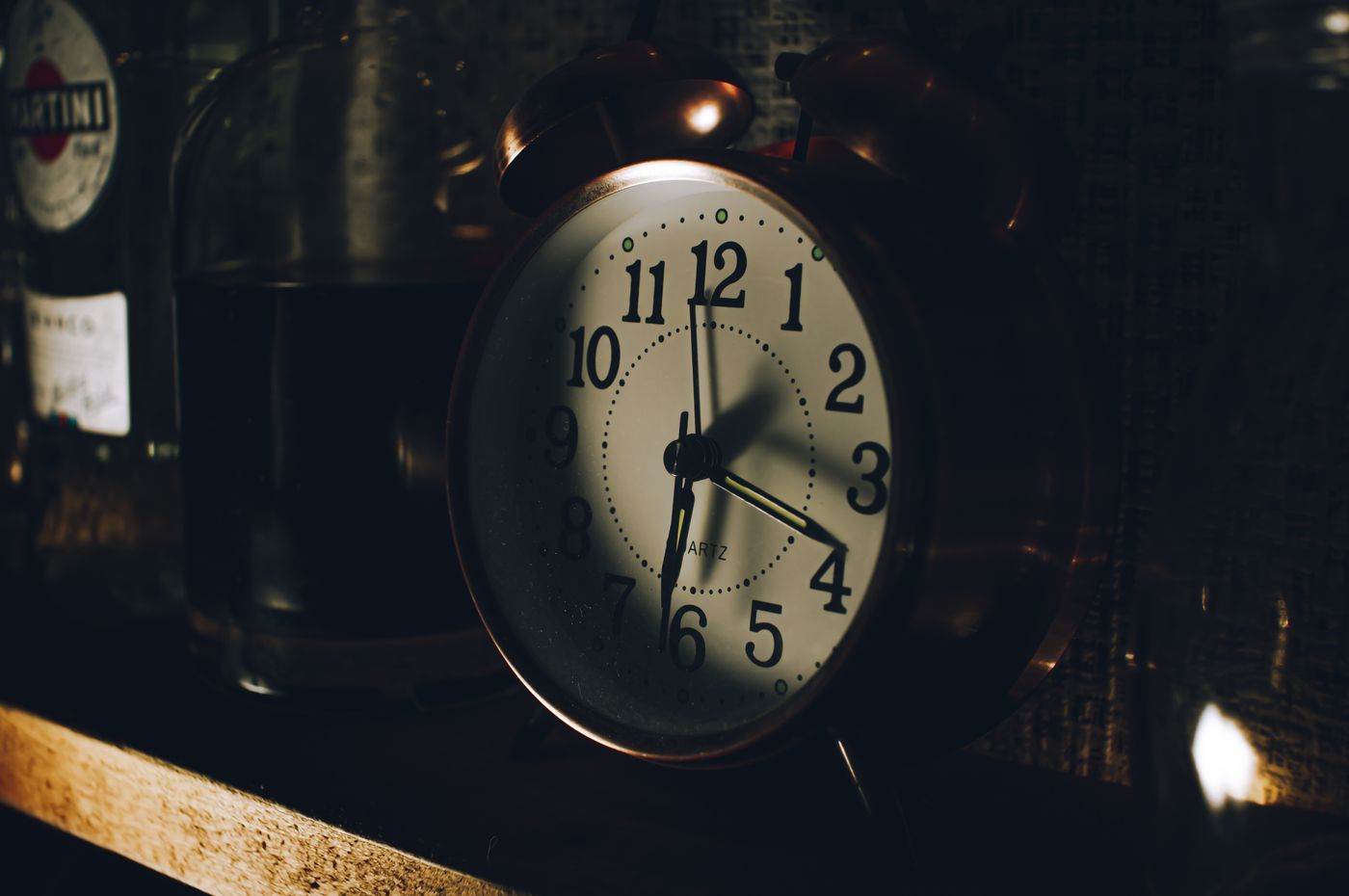
Write down the attributes of your clock before searching. Maker attribution, case material, size, dial condition and movement type can all affect the comparison. Similar front photographs may conceal substantial differences, so resist collecting prices before deciding which examples are genuinely relevant.
Keep the uncertainties visible
An online listing may repeat an earlier seller's identification without supporting evidence. Treat dates and maker names cautiously when the photographs or documents do not establish them. A replaced dial or later movement can make an apparently identical example a poor benchmark.
Condition also changes the practical cost of ownership. Transport, assessment and potential repair are separate from the price of the object. Do not assume a non-running clock can be made reliable for a small fixed amount merely because another listing describes its example as serviced.
Choose the right kind of advice
For an informal decision about whether an object suits your budget, a small set of well-matched comparisons may be enough. For a consequential sale, insurance purpose or disputed attribution, seek an appropriate professional valuation and explain its intended use. Different purposes can require different evidence and valuation terms.
Provide clear photographs, measurements, marks and known history without attempting cosmetic improvement first. Ask what the assessment covers and what cannot be concluded remotely. Keep the written result with the clock's record, including its date; a valuation describes an opinion in a particular context, not a permanent guarantee of a future selling price.