Notice the change in scope
A plan to change a clock's appearance can reveal loose components, damaged fittings or an unfamiliar mechanism. At that point the task is no longer simply decorative. Pause before removing more parts, take photographs and describe what changed the plan. A repairer can use that record more effectively than a bag of unidentified pieces.
Keep mains-powered clocks, spring-driven mechanisms and uncertain old luminous dials outside a beginner modification project. Do not open electrical housings, release springs or scrape coatings to make access easier. Those actions require knowledge and equipment unrelated to choosing a new face colour.
Recognise a forced fit
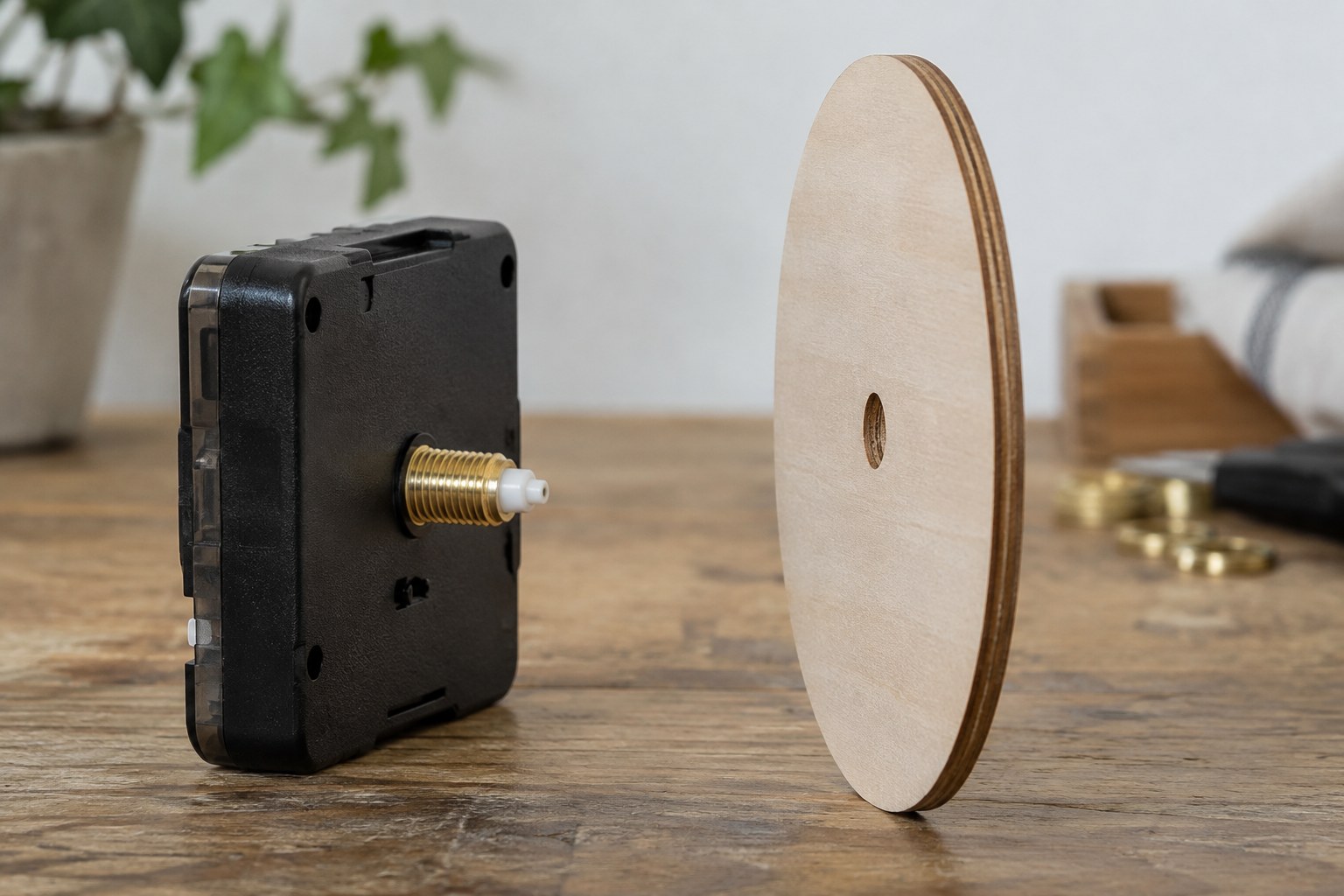
A replacement that needs a hand hole enlarged, a shaft shortened or a fragile dial drilled deserves a fresh assessment. First check whether the wrong component was ordered. Send the supplier the movement reference, measurements and photographs; a correct alternative may avoid modification entirely.
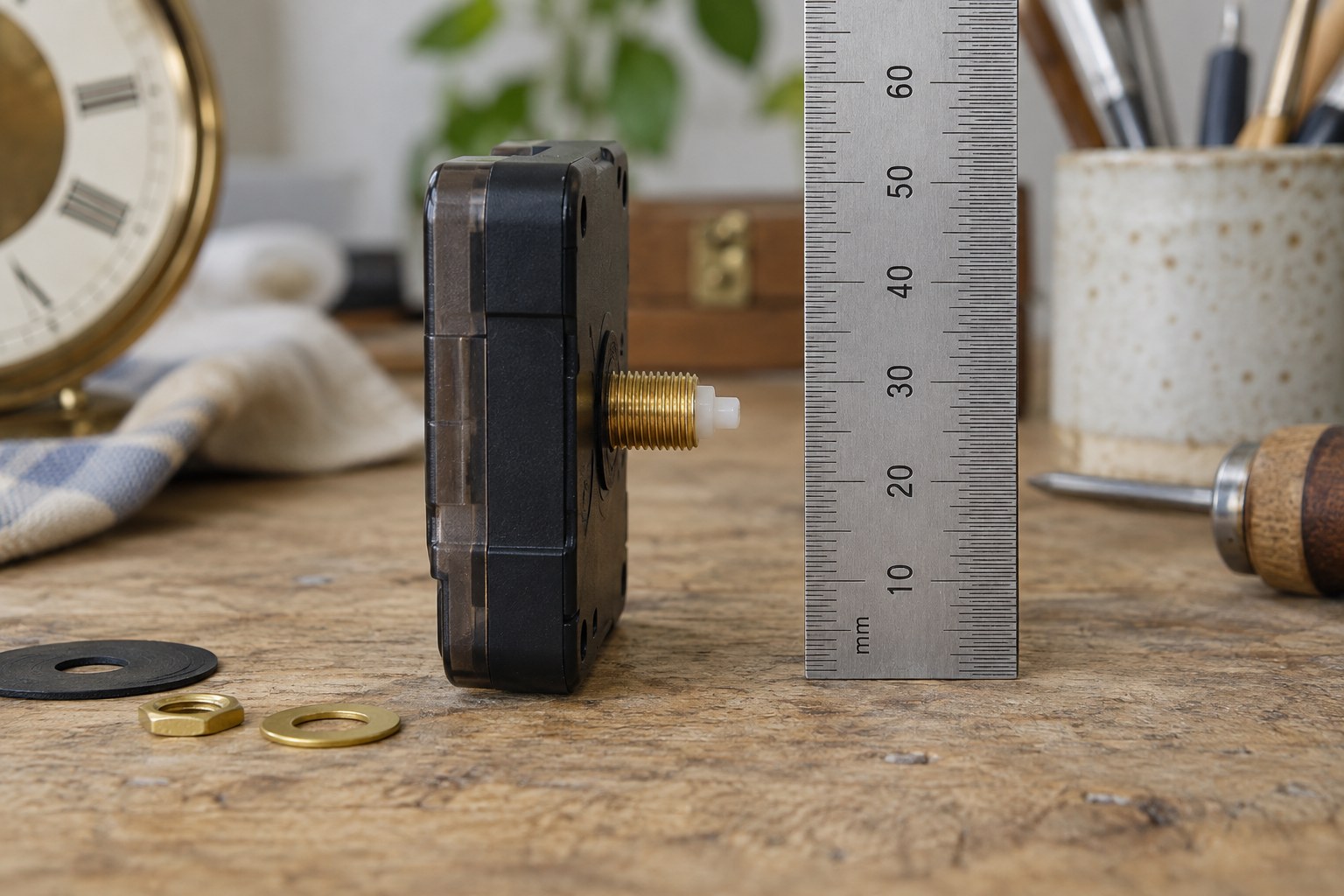
Similarly, a nut should not be used to flatten a warped dial or force the movement against the back. If the assembly cannot sit naturally as its instructions show, more tightening is not a sensible trial. Remove the battery from a modern quartz project and keep the parts safe while the mismatch is resolved.
Make the enquiry specific
Explain the clock's type, the intended change and whether it currently runs. Include dimensions, visible markings and the photographs taken before work began. Ask whether the proposal is appropriate for that clock and whether a separate modern build would better achieve the desired appearance.
Agree the scope before leaving an object for work: preservation of the original face, retention of removed parts and approval before additional changes are useful points to discuss. A repairer may recommend leaving a historical clock unchanged. That answer can protect an object whose interest lies partly in the construction you were about to replace.