Define a change you can undo
A reversible update has a clear route back to the starting condition. Replacing a removable modern craft dial, changing a separate stand or placing the clock within a suitable surround may achieve that. Painting the original case and hoping to strip it later is a much less predictable proposition.
Photograph the clock and record its dimensions before deciding which parts are genuinely removable. Check the maker's instructions rather than testing clips or glued joints by force. If the clock is old, valuable or has an uncertain finish, keep the alteration external and seek advice before attaching anything to it.
Keep decoration out of working space
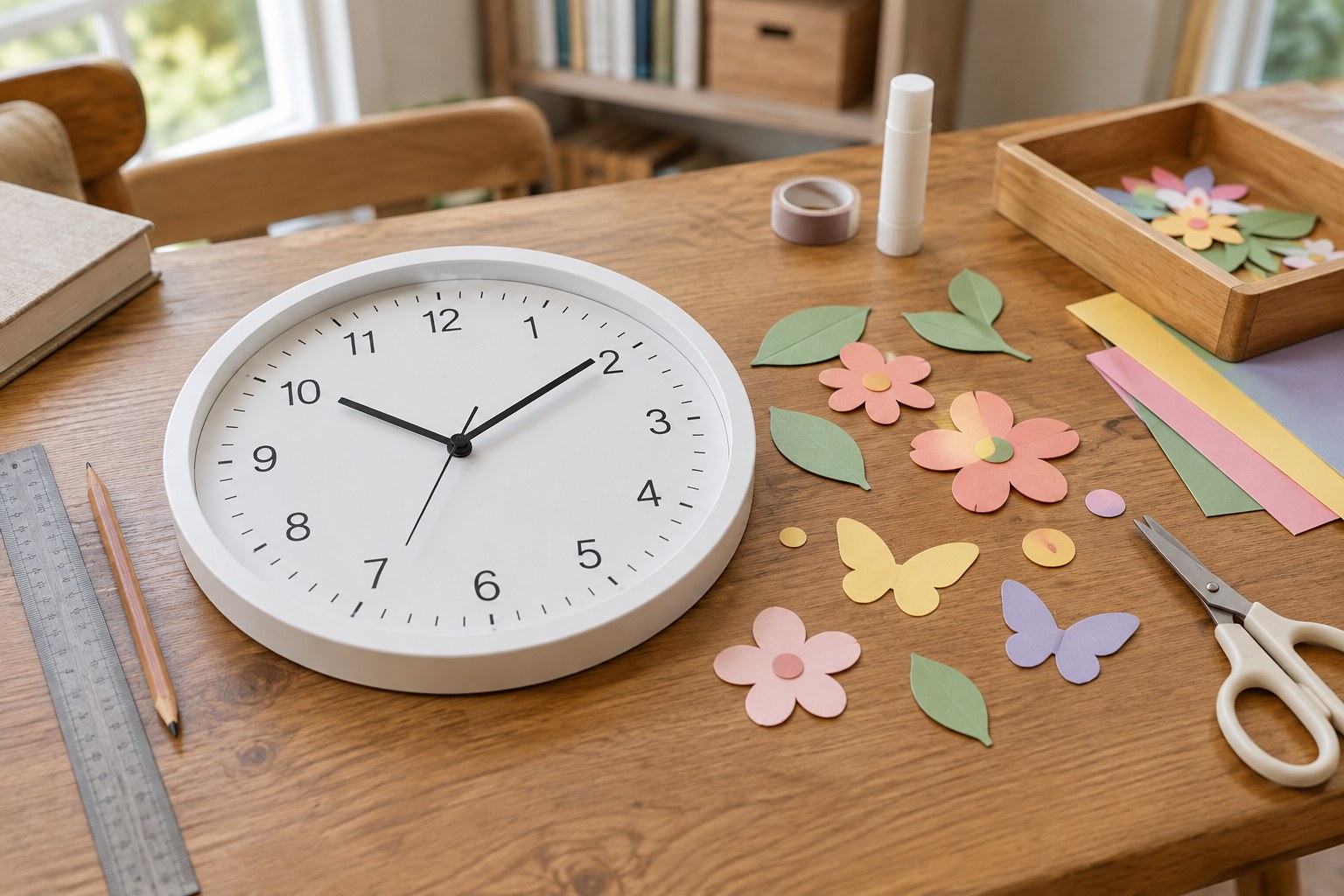
Use a paper mock-up to test the new colour or shape beside the clock. Avoid wrapping material across ventilation openings, controls or the battery compartment. Around an open face, additional decoration must not intrude into the hands' path or shed fibres towards the mechanism.
Temporary adhesive is not automatically harmless. Its removability depends on the surface and conditions, and it can lift paint or leave residue. A freestanding decorative element or a separate frame may achieve the intended look without putting adhesive on the clock at all.
Store the original arrangement
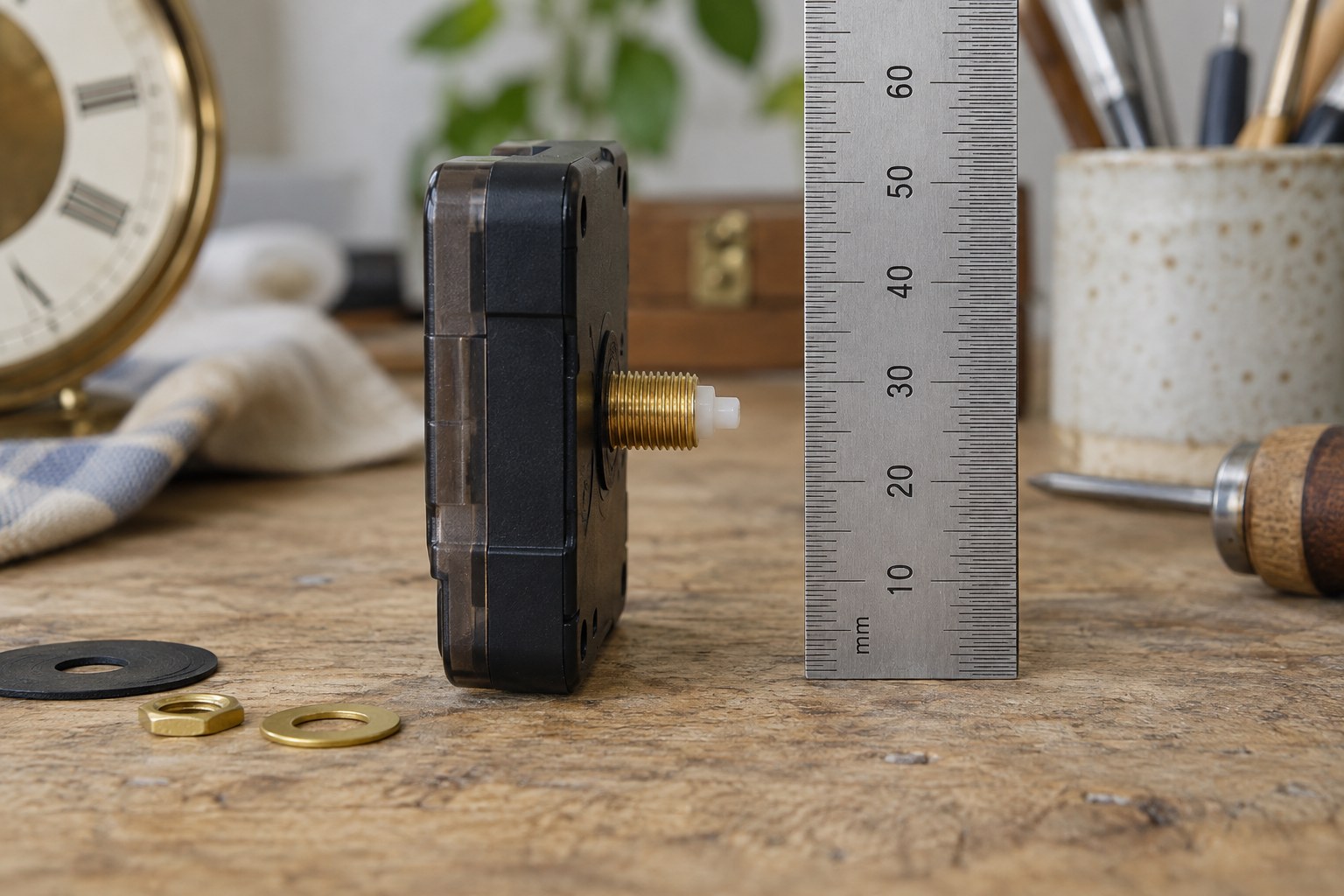
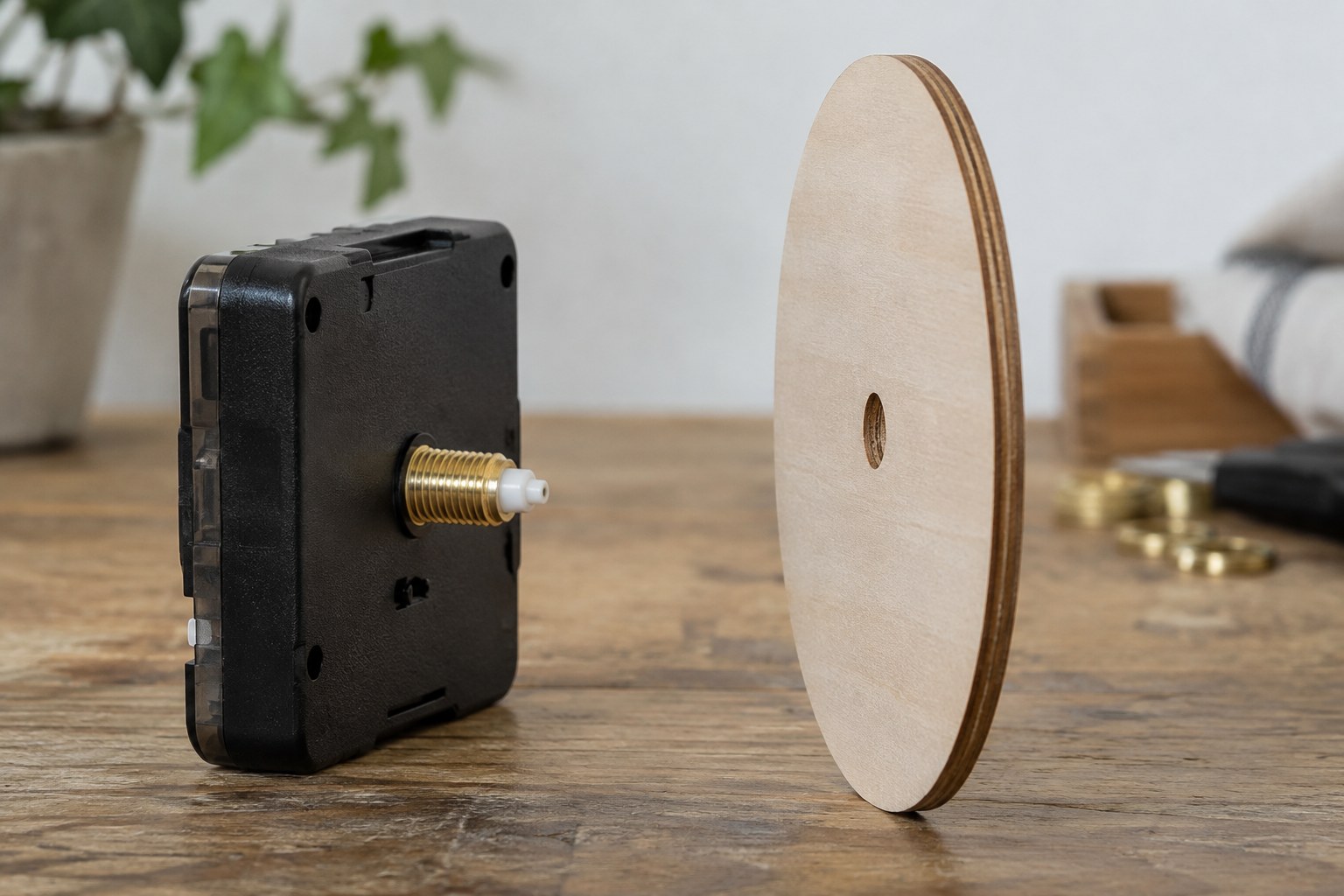
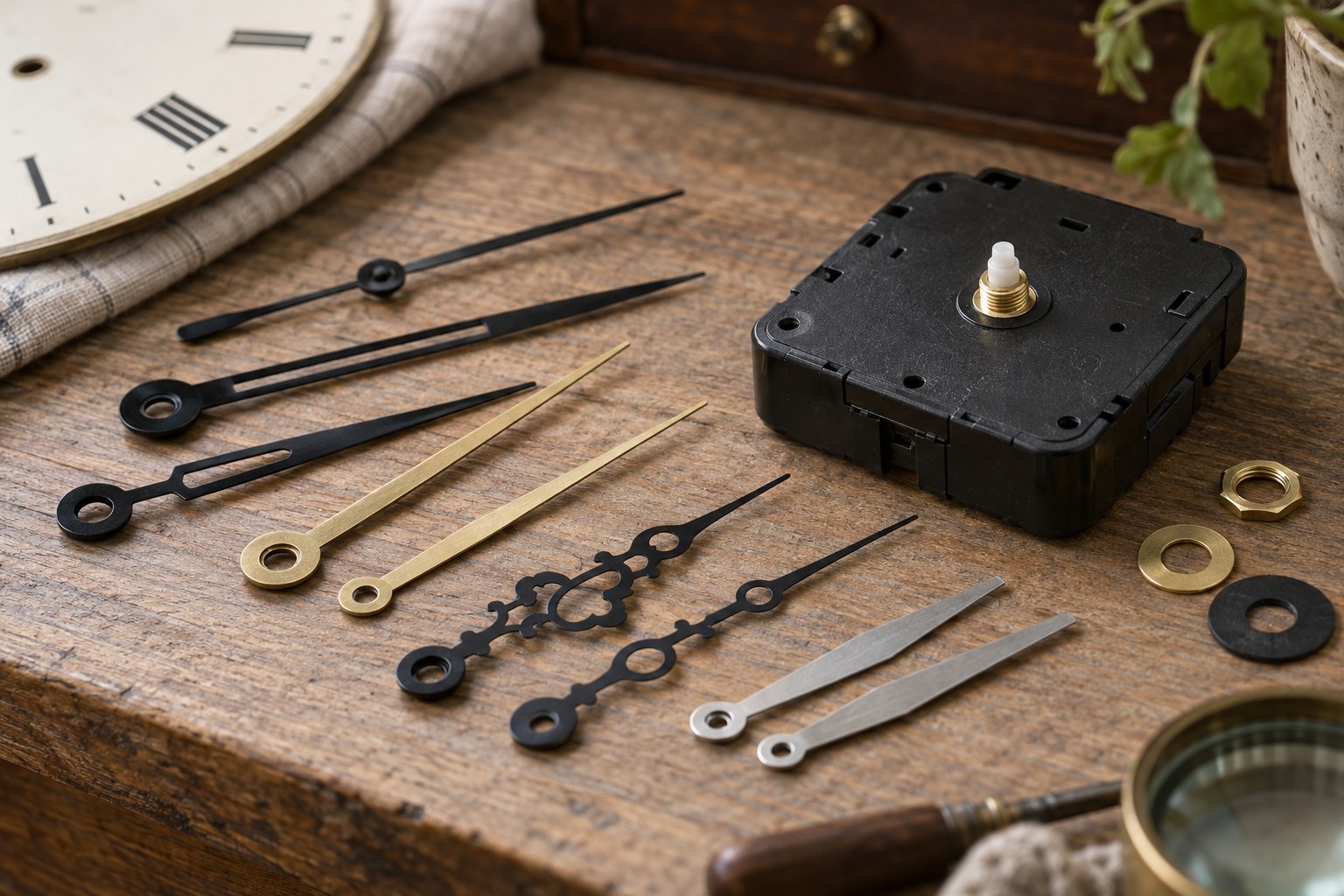
If a documented kit permits swapping a dial or hands, retain all original components together with photographs of their order. Check the compatibility and clearance of the replacements as carefully as for a new build. A cosmetic swap can still change thickness, weight or the fit under a cover.
Run the finished clock and inspect it from the normal viewing positions before discarding the mock-up. Write down how the update is removed and where the original parts are stored. Reversibility becomes much more useful when it is a practical instruction, not simply an intention remembered only by the person who made the change.