Measure the attachment, not the dial
Lug width is the gap where the strap attaches to the watch case. It is not the diameter of the watch or the length between the tips of the lugs. Check the manufacturer's specification first, then confirm the measurement carefully rather than estimating it from a photograph.
If the existing strap fits correctly, its stated width can be a useful clue. Measure the attachment end in millimetres with a suitable ruler or calliper, taking care not to scratch the case. A worn or compressed strap may not provide a reliable measurement on its own.
Check the shape of the connection
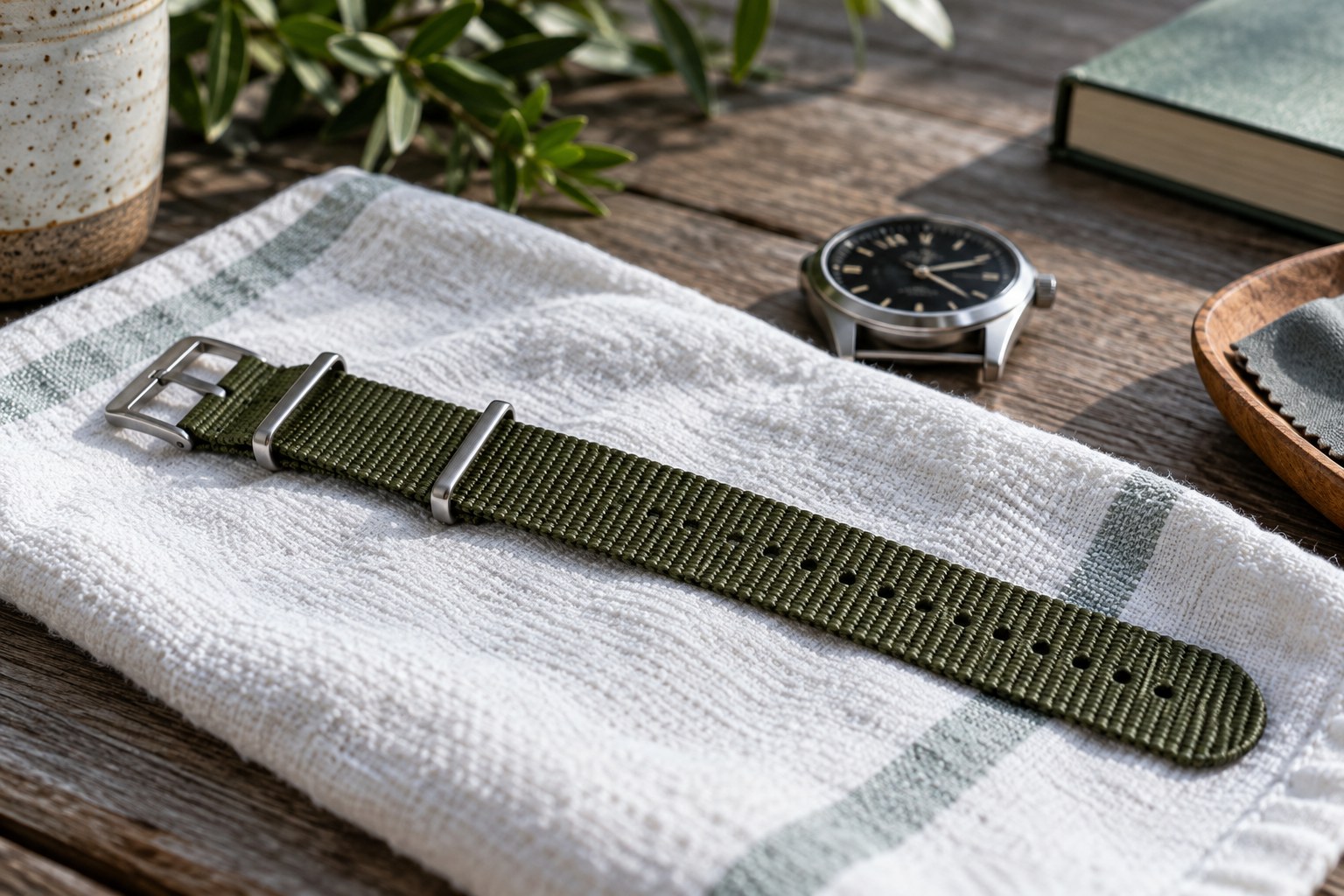
A straight-ended strap does not suit every case. Some watches use shaped ends, unusual attachment systems or hardware intended for a particular model. Look closely at the existing connection and compare it with the replacement supplier's compatibility information.
The thickness of the strap near the attachment also matters. A very thick end can foul the case even when its nominal width is correct. Do not force a strap into the gap or trim it as a first response. Ask the supplier about the exact watch model if the fit is uncertain.
Record the remaining details
Write down the required length, buckle width and intended fastening style separately. These describe different parts of the fit. A replacement with the right attachment width can still be too short for your wrist or incompatible with a buckle you want to retain.
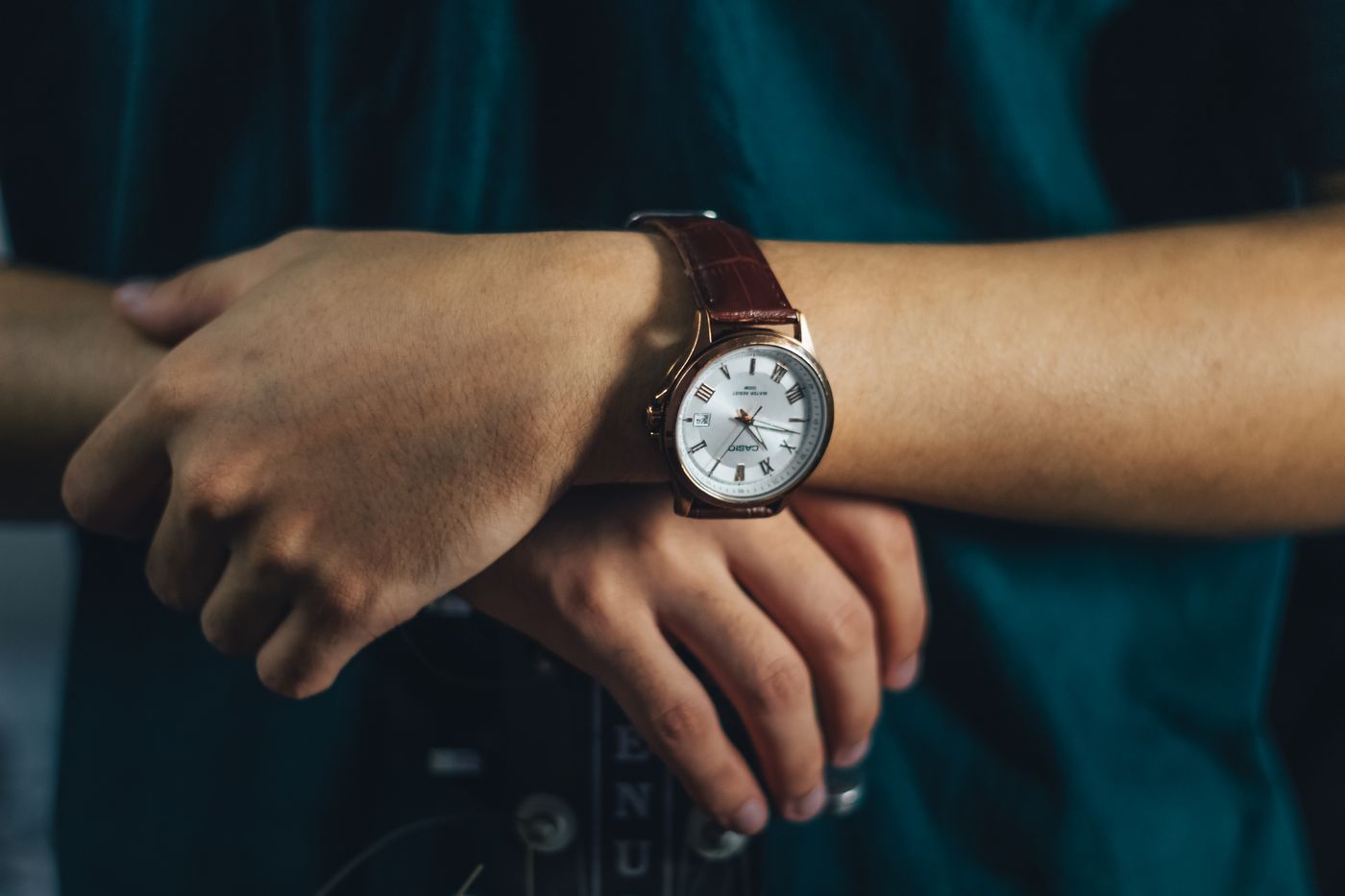
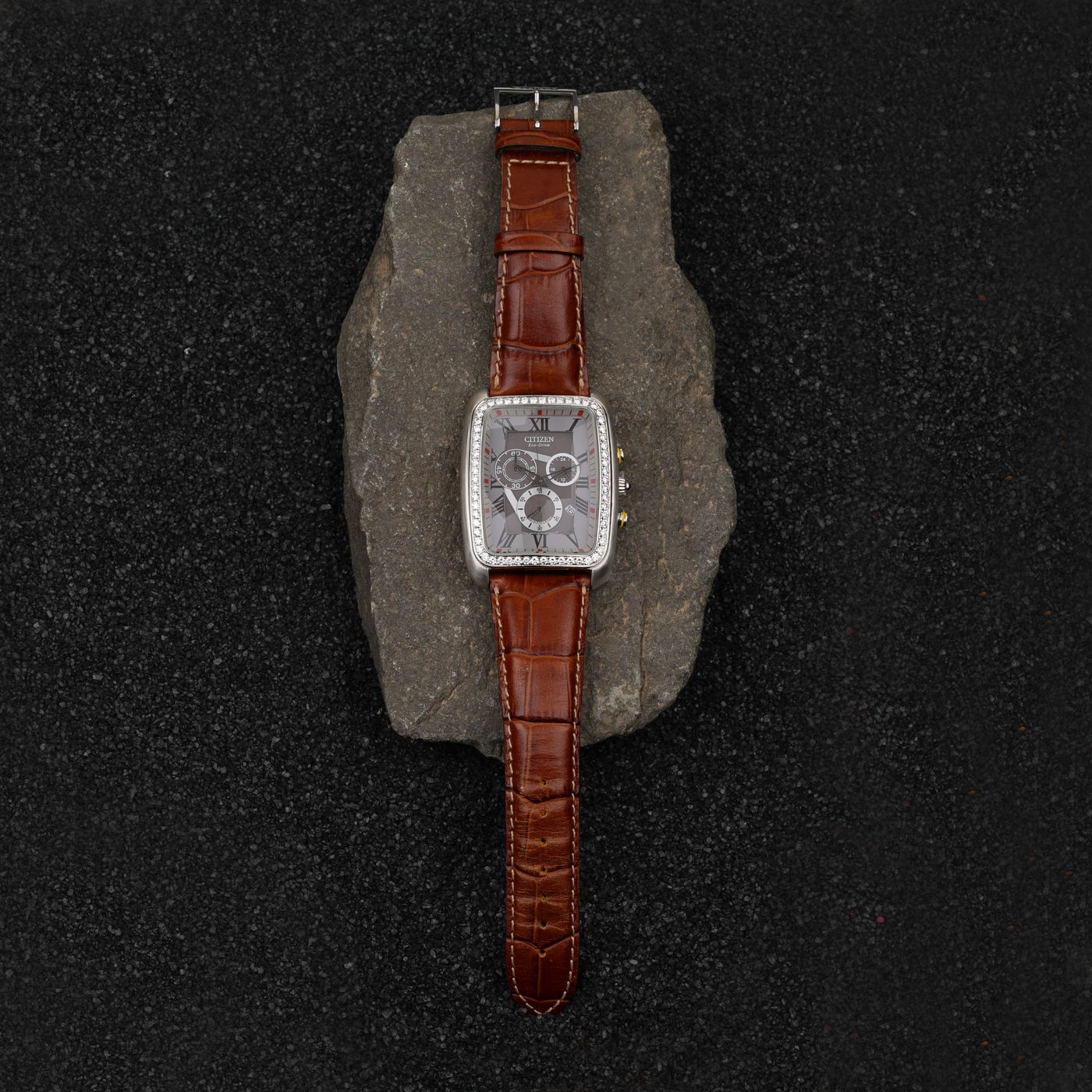
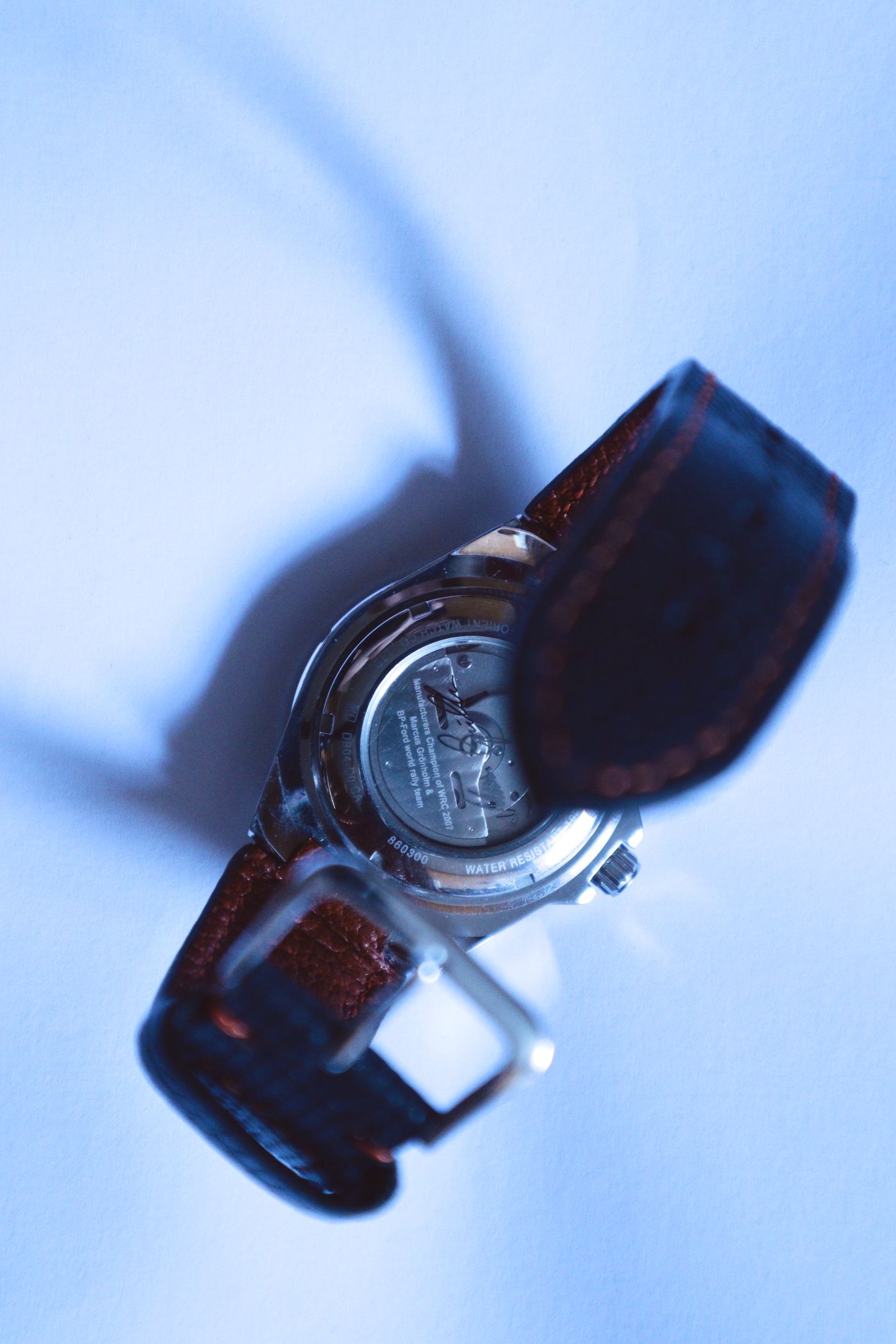
Keep the measurements with a clear photograph of the watch and the old strap before ordering. If changing the strap would require unfamiliar tools, seized hardware or access to a proprietary fitting, use a watch repairer. A correctly chosen strap still depends on secure installation; its appearance alone cannot show that the attachment is properly seated.