Decide whether the storage will travel
A watch box is convenient for a fixed place at home, especially when individual compartments make selection easy. A roll can be more compact for a bag, but its protection depends on its structure and how the watches are separated. The name of the product does not establish how well it will protect a particular watch.
Measure the widest and thickest watch you intend to store. Compare those dimensions with the actual compartments, not just the exterior size of the container. A large case can fit through an opening yet press against a lid when the box is closed.
Check the support inside
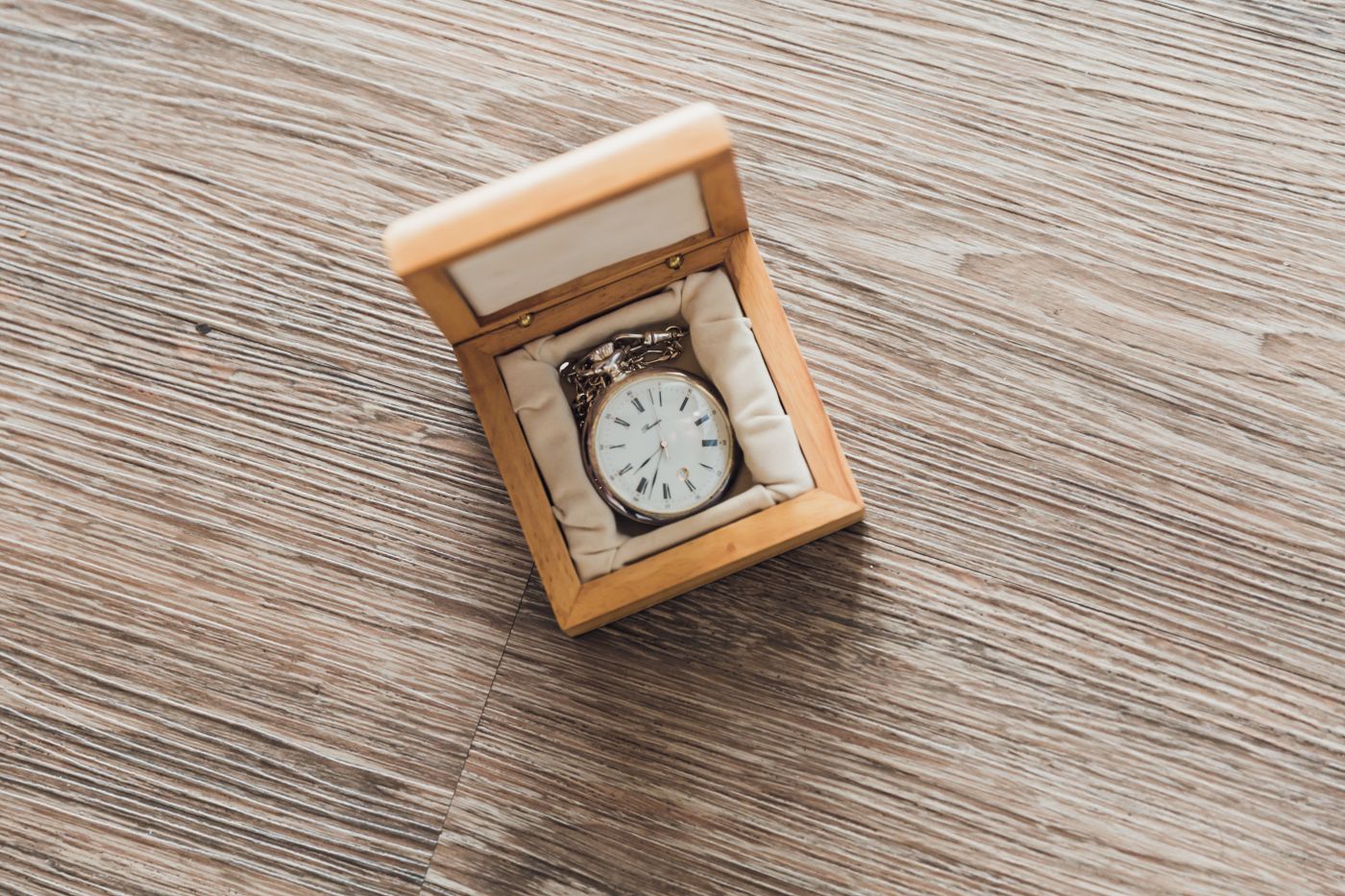
A cushion should support the watch without stretching a strap or forcing a clasp shut. If the cushion is too large, choose another size or a different design rather than tightening the strap around it. Loose watches should not be able to strike each other when the container moves.
Look for internal seams, hard fasteners and dividers that could rub a case. In a roll, confirm that the watches remain separated when it is closed, not only while it lies open on a table. A soft exterior can conceal an internal pressure point.
Store only clean, dry items
Let any moisture from wear or permitted cleaning dissipate before closing the container. Keep the storage in a dry, stable location away from direct heat and strong sunlight. A box is not a remedy for a damp cupboard or a hot windowsill.
Keep spare loose hardware in separate labelled packets so that it cannot scratch the watches. If travelling, test the packed arrangement gently before putting it in a crowded bag. Choose a location where heavier items cannot crush it, and take only the pieces you need rather than filling every available compartment.