Understand the room's constraints
Check the relevant agreement or ask the property manager before making holes or attaching adhesive products. A method described as removable can still affect a particular paint finish or wall covering. Keep any permission or fitting requirements with your other household notes rather than relying on a casual assumption.
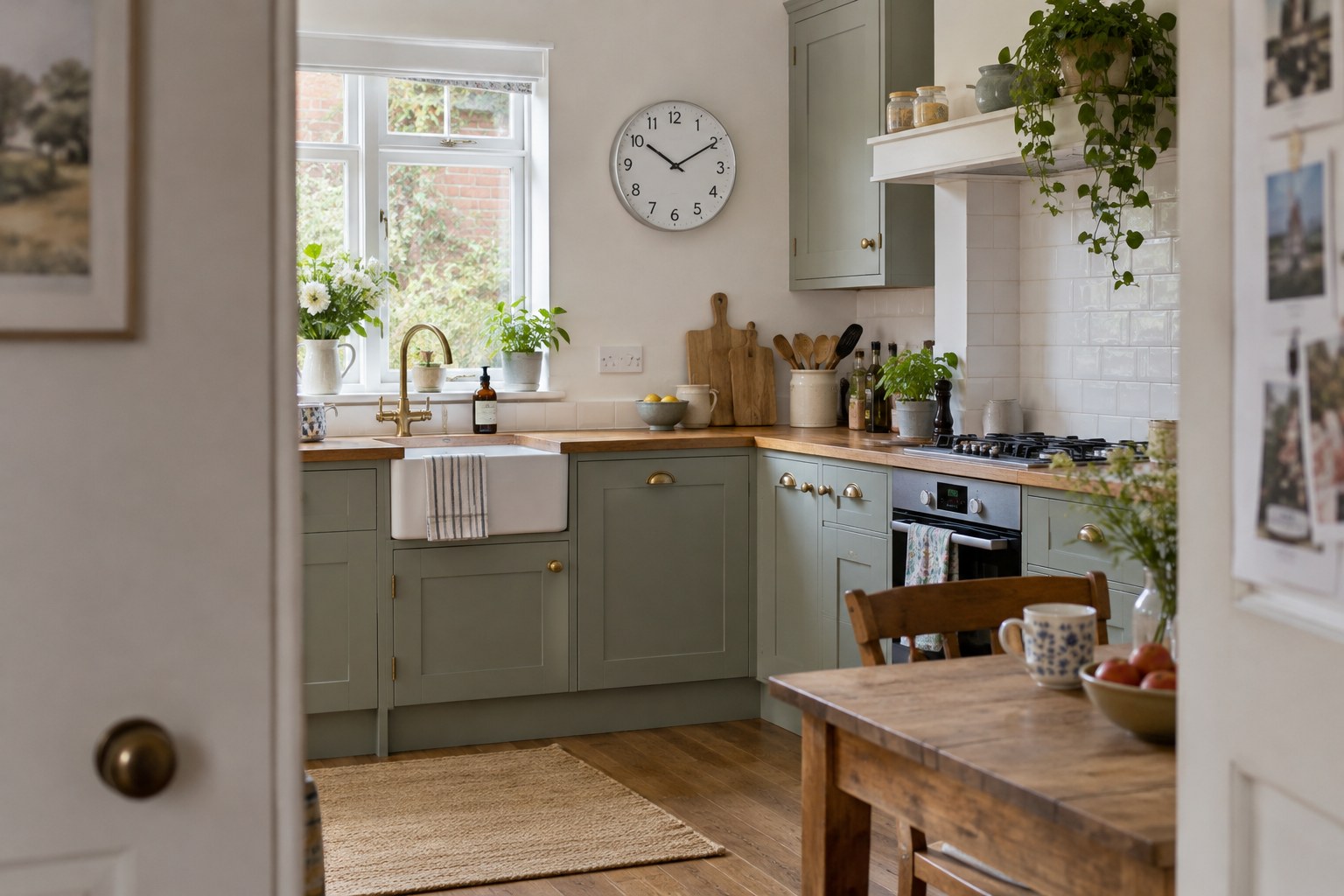
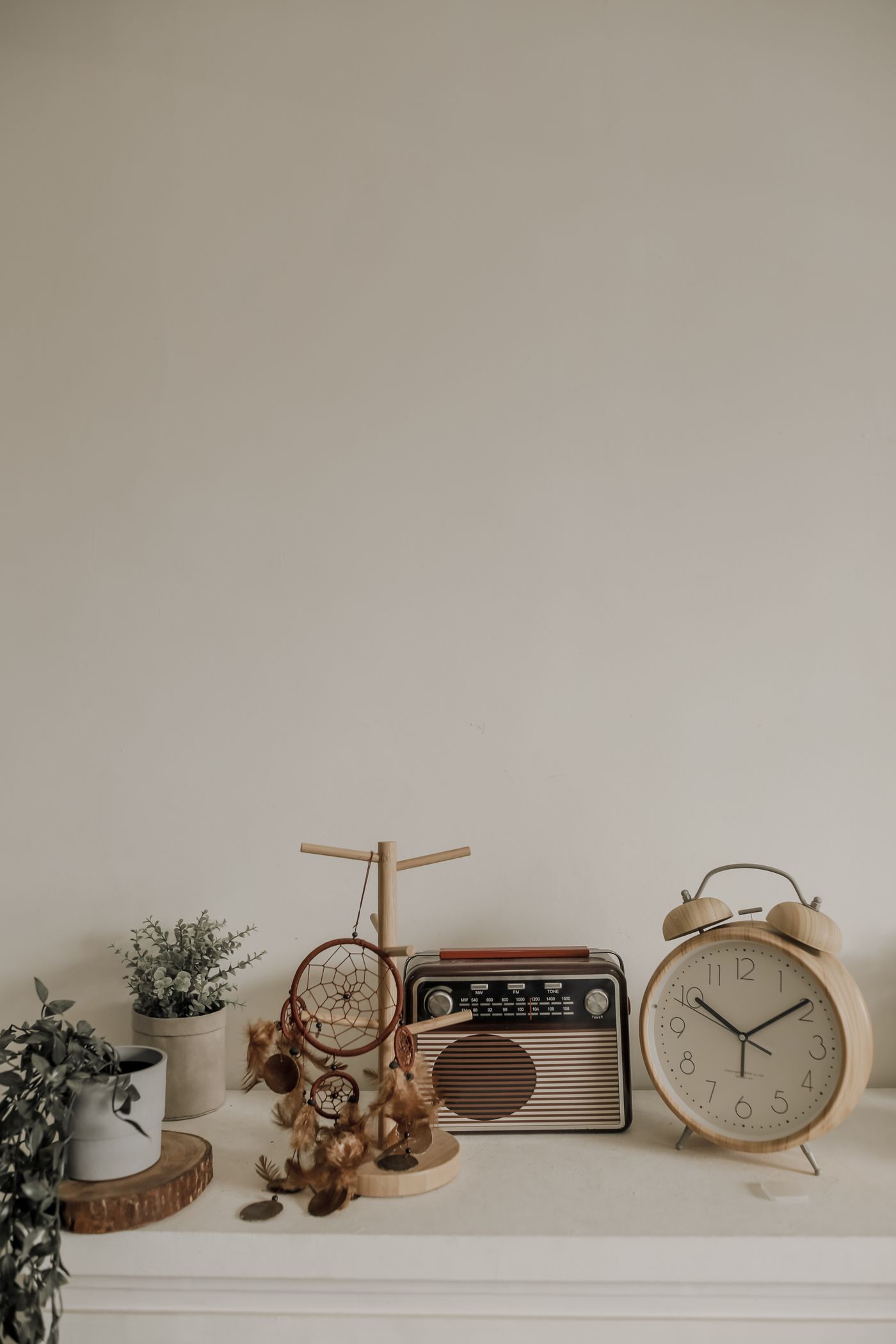
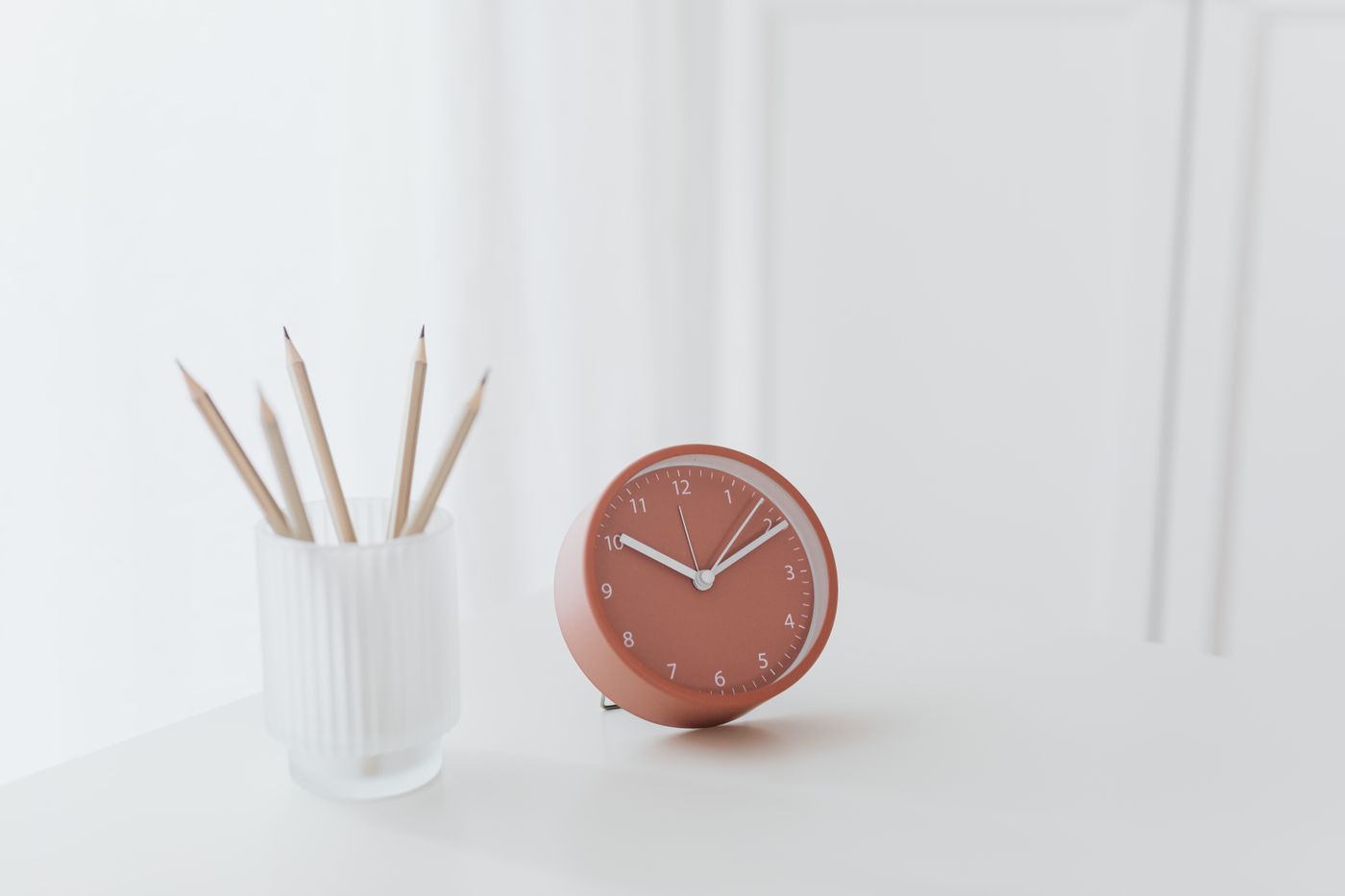
Look for existing suitable locations: a stable shelf, a mantel or a clear desk corner. A freestanding clock can provide the same useful view without altering a wall. Measure its base and confirm that it will not obstruct a route or overhang the furniture.
Do not guess a fixing's capacity
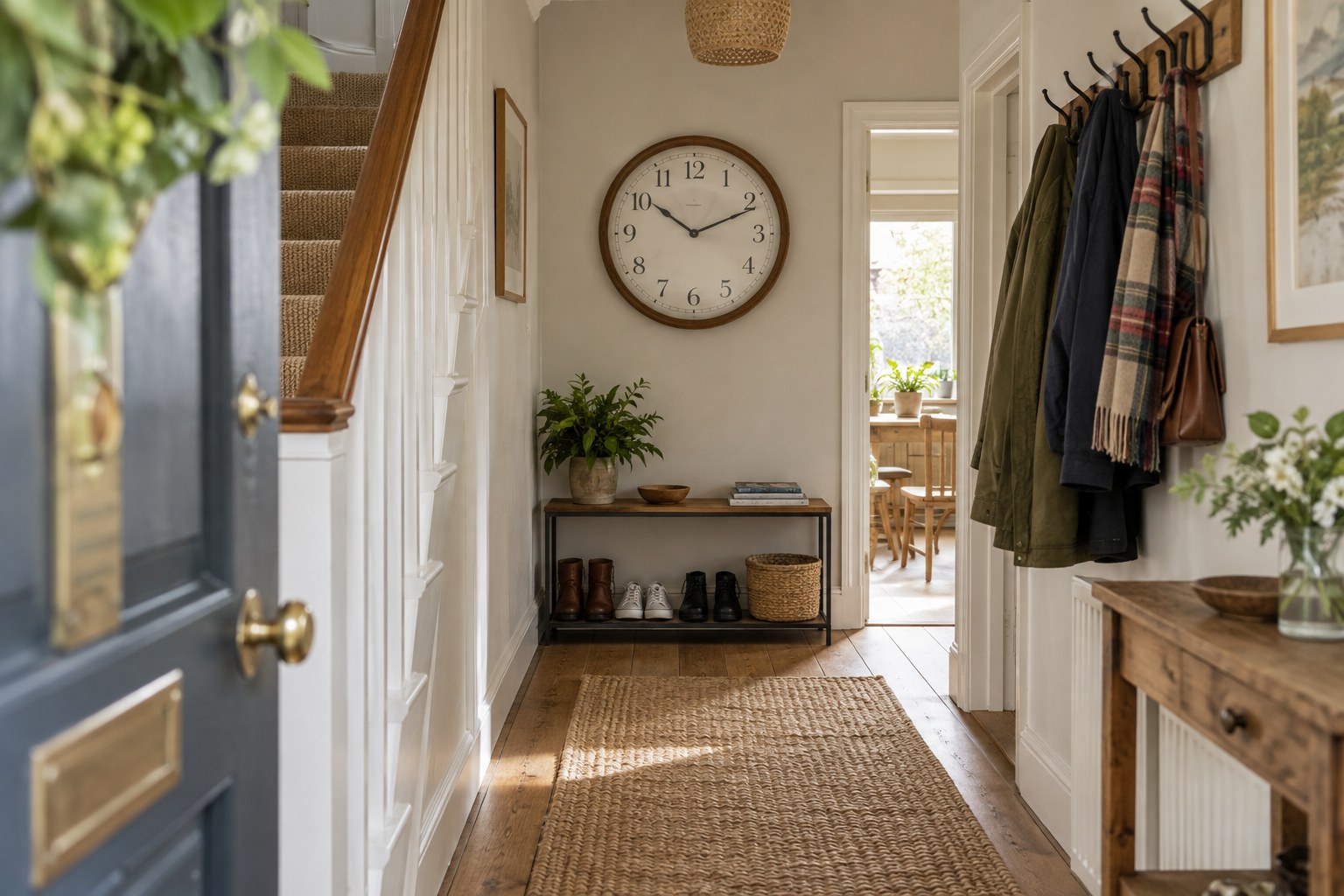
If wall mounting is permitted, compare the clock's actual weight and hanger design with the fixing manufacturer's instructions. The wall surface, preparation and loading direction all matter. A general weight figure on packaging is not a guarantee for every surface or every clock.
Do not double up unsuitable adhesive hooks and assume that their capacities simply add together. Avoid hanging a clock above a bed or fragile object as a trial. If the wall construction or the proposed fitting is unclear, ask for a suitable mounting solution rather than experimenting with a valuable or heavy clock.
Plan for moving out
Retain the clock's original stand, packaging and instructions if it has more than one display option. A freestanding model that fits several pieces of furniture is easier to take to another home than one chosen for a very specific recess.
Photograph the chosen location before installation, and follow the fixing maker's removal instructions when the time comes. Do not prise or pull an adhesive fitting in a direction it was not designed to release. A rental-friendly arrangement is one that considers both everyday use and eventual removal from the start.