Give each clock a purpose
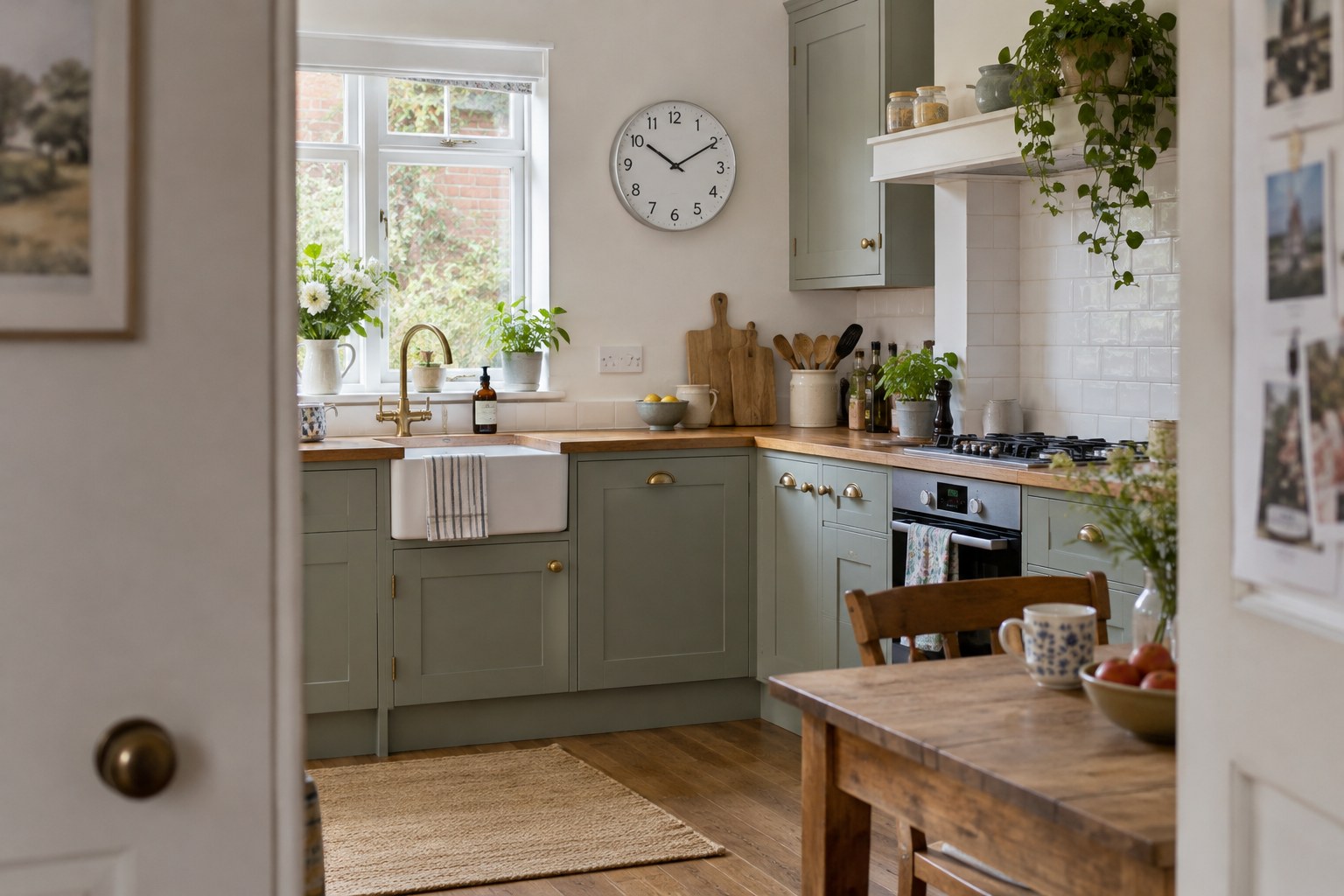
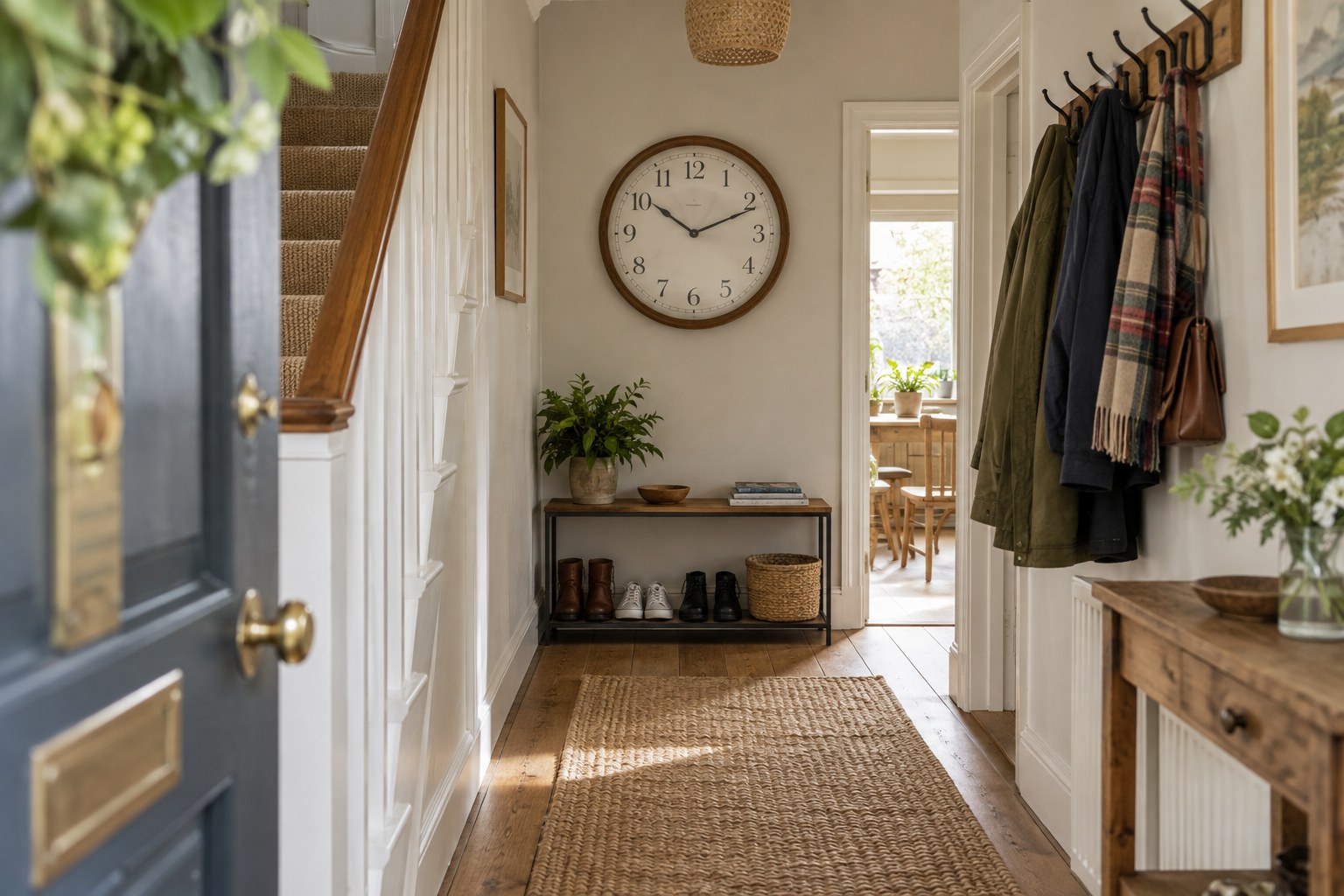
In an open-plan room, a wall clock may be readable from the kitchen but hidden behind a monitor at the desk. A smaller desk clock can solve that specific gap. Start with the missing sightline rather than adding another clock because a shelf looks empty.
Walk through the room and identify where the first clock stops being useful. If the second clock is visible from exactly the same places, ask whether it adds anything practical. It may still be a decorative choice, but recognising that distinction helps you decide how prominent it should be.
Keep the reading unambiguous
If both clocks show local time, compare them periodically so that an obvious disagreement does not become the main thing people notice. A stopped decorative clock beside a working one can be confusing. Consider displaying the non-working example in a setting where its role as an object is clear.
Different time zones need clear labels and a reason for being shown. Do not assume that a visitor will infer which city a clock represents from its style. If the clocks require manual seasonal adjustment, keep a note of what each display means and check the settings when they change.
Let one remain quieter
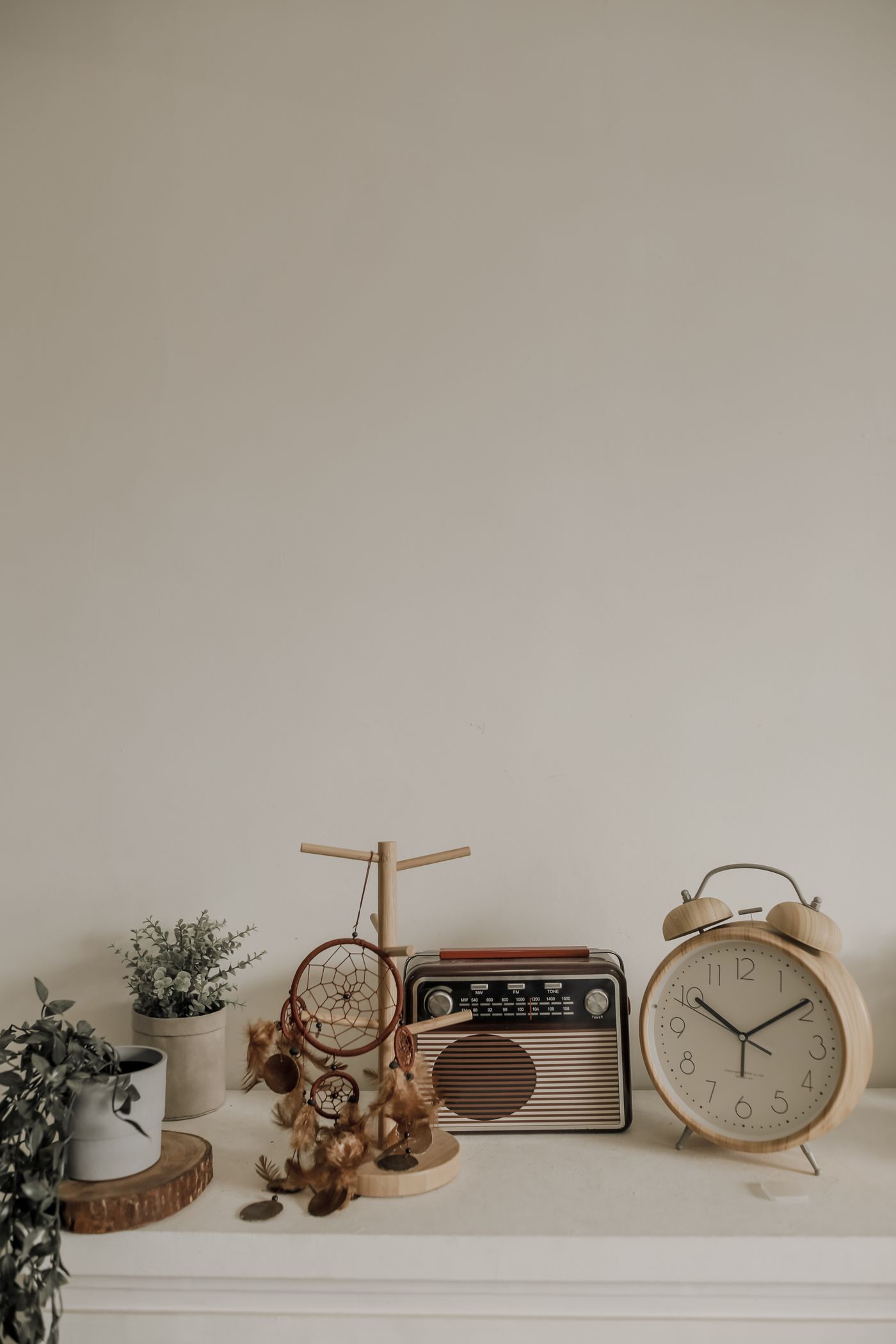
Two equally large, ornate faces can compete across a small room. A useful combination is a clear main wall clock and a modest secondary clock close to the task it serves. Their styles can differ while sharing a restrained colour or material.
Listen as well as look. Several ticking or chiming clocks may be more noticeable together than separately, particularly in a study. Before fixing the second clock permanently, try the intended location for an ordinary day. Remove it if the extra sound or visual activity outweighs the convenience of another display.