Do not turn a symptom into a treatment
A clock may stop for many reasons, and visible hesitation does not establish that it needs oil. A modern sealed quartz unit and an older mechanical movement have different construction and maintenance requirements. Neither should receive household lubricant through a convenient opening. Avoid spraying the shaft, battery compartment or rear case in the hope that a product will reach the right place. The immediate appearance of movement would not prove that the underlying problem had been repaired. Keep the clock's condition unchanged while you gather the model information and symptom history.
Understand the professional boundary
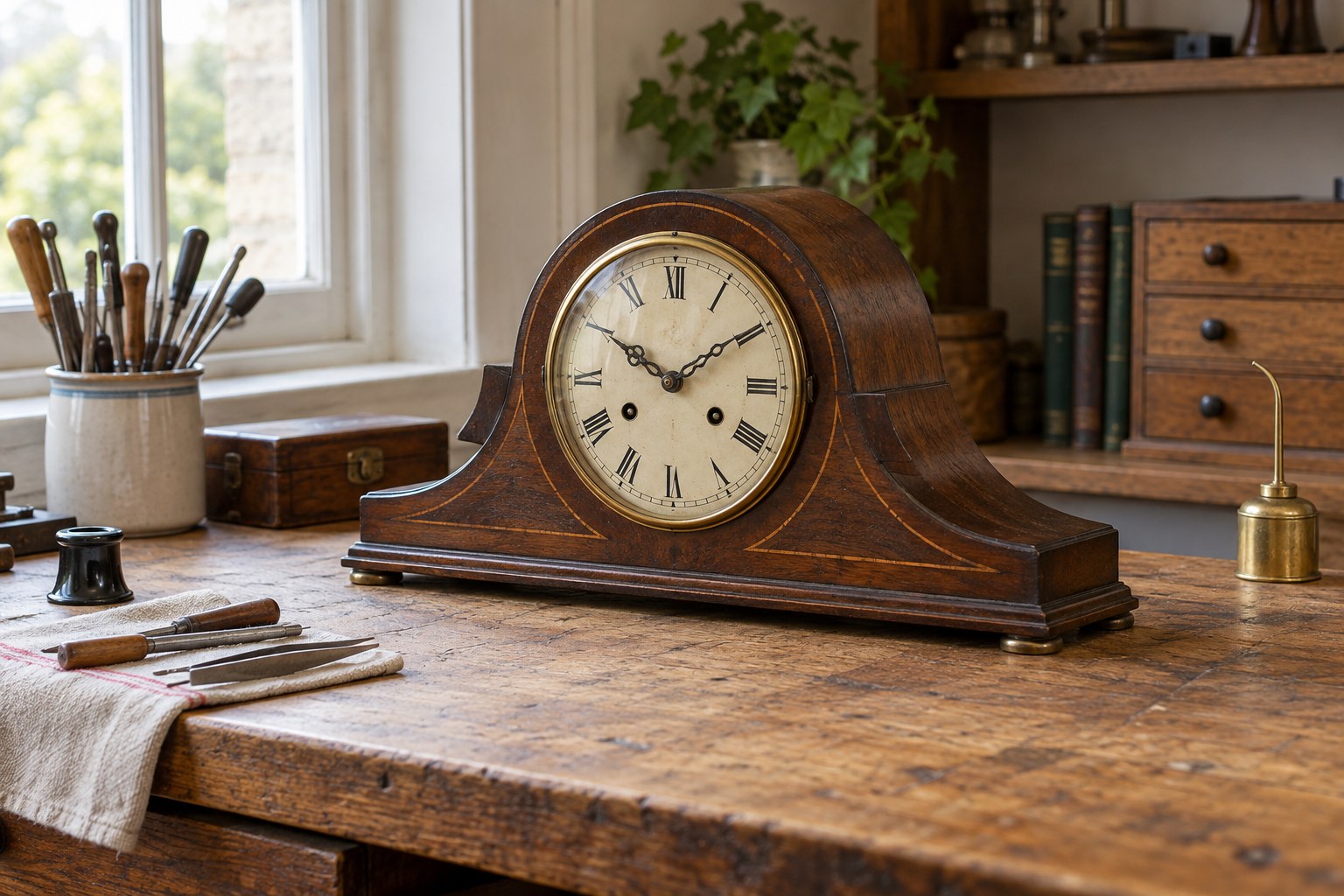
Clock servicing involves identifying the movement, assessing wear and applying the appropriate treatment to specific parts. Icon's guidance warns against proprietary lubricating products and notes that too much oil or oil in the wrong place can cause damage. This is not a task solved by choosing the smallest bottle from a household toolbox. Do not transfer advice for a bicycle hinge or door lock to a timepiece. If a repairer has previously given instructions for one particular clock, keep those written directions with that model and ask before applying them elsewhere.
Make the next step useful
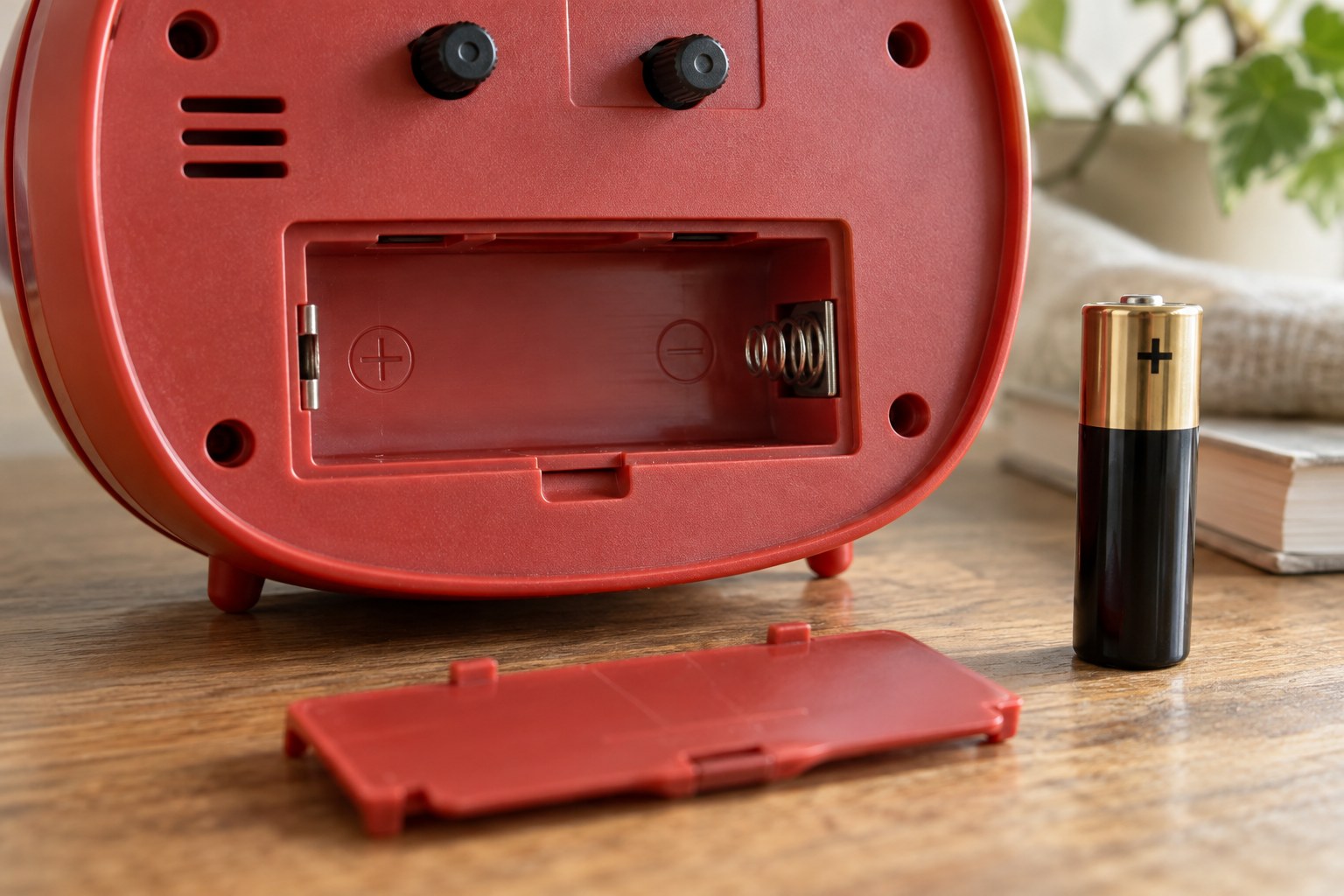
For an owner-accessible modern battery clock, carry out only the power and reset checks permitted by the manual. Record whether the fault is constant, intermittent or linked to a particular hand position. For an older clock, photograph the case and visible labels without opening the movement. Tell the repairer if any product has already been applied, including its name and approximate location; that information matters more than trying to hide the attempt with additional cleaning. Ask whether the clock should remain stopped and how it should be transported for assessment.